


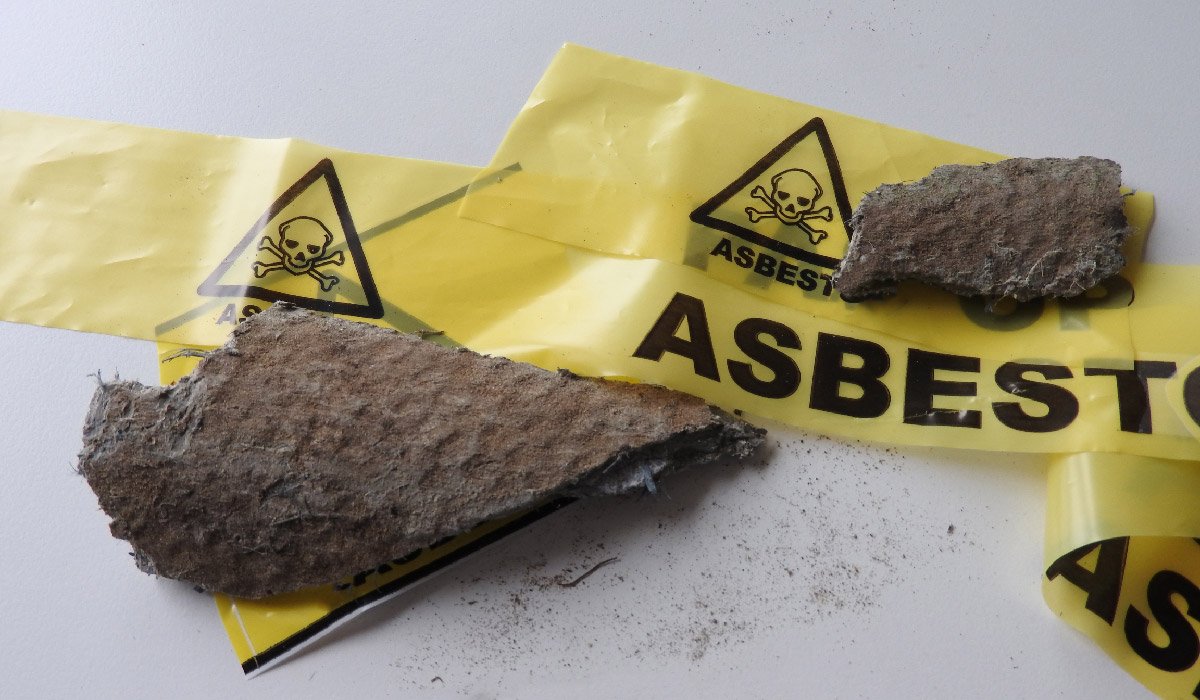
When we talk about hazards lurking in older homes and buildings, most people immediately think of lead paint or mold. But one of the most dangerous—and often overlooked—threats is a substance that resembles ordinary dust or cloth fibers: asbestlint. Unlike obvious building damage or visible mold, asbestlint hides in plain sight. It’s the fibrous remnant of once widely-used asbestos materials, quietly sitting in ceilings, walls, insulation, and heating ducts of buildings constructed before the 1990s. While it might look harmless, this hidden hazard can pose serious and even deadly health risks if disturbed.
In this comprehensive guide, we’ll explore everything you need to know about asbestlint—what it is, where it’s found, how it harms your health, and how to protect your home, workplace, or renovation project from exposure. Whether you’re a homeowner, building manager, or contractor, understanding the silent danger of asbestos is essential for safety, compliance, and peace of mind.
What Is Asbestlint?
Basic Definition
Asbestlint is a type of asbestos-containing material (ACM) made up of fibrous or tape-like asbestos strands. The term itself is derived from a combination of “asbest,” the Dutch and German word for asbestos, and “lint,” which translates to tape, rope, or fibrous thread. Unlike asbestos sheets or cement boards, asbestlint appears as soft, fluffy, or stringy material—sometimes resembling thick gray dust or cloth. It was commonly used for insulating pipes, boilers, and industrial machinery due to its remarkable heat resistance and flexibility. Its fibrous nature allowed it to wrap around curved or irregular surfaces, which made it especially valuable in plumbing, HVAC systems, and fireproofing applications. While it once represented a cutting-edge solution for fire safety, we now know that the very fibers that made it efficient can cause irreversible damage when inhaled.
How It Differs from Other ACMs
Asbestlint is particularly dangerous because of its friable, or easily crumbled, composition. Unlike asbestos cement panels or tiles—which are relatively solid and less likely to release fibers unless disturbed—this material breaks down into microscopic airborne particles even with minor friction or aging. That means it doesn’t need to be cut, drilled, or demolished to become dangerous. Over the years, asbestlint deteriorates naturally, especially in damp or poorly ventilated spaces, releasing invisible particles that float through the air and enter the lungs of unsuspecting occupants. The dust-like quality of asbestlint makes it easy to overlook and extremely difficult to detect without proper testing, distinguishing it from other forms of asbestos that are more easily identifiable by shape or texture.
Common Historical Uses of Asbestlint
Domestic and Commercial Applications
In the mid-20th century, asbestlint was a go-to material for thermal insulation and fireproofing. It was extensively used in both residential and industrial environments, often hidden beneath layers of flooring or wrapped around hot water pipes and boilers. In homes, it was typically applied as a wrapping around plumbing systems, placed under floorboards, or used in attics for heat insulation. In commercial buildings and factories, it served as a fire barrier and insulation material, especially in areas with high temperatures or heavy machinery. Roofing contractors also utilized adhesive-backed asbestlint as part of sealing strips or fire-resistant coatings. The widespread belief in its durability, fire resistance, and affordability made it one of the most popular materials of its time.
Where Asbestlint May Be Found Today
Despite being banned or restricted in many countries, asbestlint still exists in countless buildings that haven’t undergone complete asbestos abatement. Homes built before 1990—especially those that haven’t been fully renovated—are highly likely to contain asbestlint in their infrastructure. You might find it lurking in attics, behind drywall, or around old HVAC systems. Schools, hospitals, industrial plants, and government buildings from the mid-20th century often contain hidden deposits of this dangerous material in ceilings, pipe tunnels, or under flooring. Because it was used as a “hidden” insulation layer, it often goes unnoticed until a renovation or repair project disturbs it—unleashing harmful fibers into the air.
Health Risks of Asbestlint Exposure
Why Asbestlint Is Dangerous
The biggest danger of asbestlint lies in its nearly invisible and airborne nature. Unlike mold, which can usually be seen and smelled, or lead, which requires ingestion, asbestos fibers can be inhaled without you ever realizing it. Once inside your lungs, these fibers don’t dissolve or get expelled. Instead, they embed themselves deep within the respiratory system, leading to chronic inflammation, cellular damage, and scar tissue. The health effects are cumulative and long-term. What makes it especially insidious is the latency period: symptoms often don’t appear until 20 to 40 years after exposure. This delay means people may unknowingly live or work in dangerous environments for decades.
Related Diseases
Exposure to asbestlint can result in several deadly and irreversible illnesses. Asbestosis is a chronic lung disease characterized by scarring of lung tissue, which leads to a persistent cough, chest pain, and shortness of breath. Another more aggressive disease is mesothelioma, a rare cancer affecting the lining of the lungs or abdomen, almost exclusively caused by asbestos exposure. Lung cancer is another risk, especially for smokers who are exposed to asbestos. In some cases, even low-level exposure can lead to pleural thickening or plaques, which restrict lung capacity and can lead to severe breathing difficulties. These health risks make it clear: no level of asbestlint exposure should be considered safe.
Who Is Most at Risk?
Those most vulnerable to asbestlint exposure include construction and renovation workers, maintenance staff, HVAC professionals, and anyone working in or residing within older buildings. Children and elderly individuals are particularly susceptible due to their less resilient respiratory systems. People living in pre-1980s homes, or attending or working in old schools and hospitals, are often unknowingly exposed. Even short-term exposure during a DIY home renovation can lead to health issues later in life. That’s why education, awareness, and proper testing are so essential.
How to Identify Asbestlint
Visual Indicators
Spotting asbestlint can be difficult, but there are several visual cues. You might notice frayed or fibrous wrapping around older pipes, or lint-like accumulation near heating ducts or vents. If insulation appears dusty, brittle, or like fabric tape, particularly in older homes, it might be asbestlint. Common areas include attic insulation, pipe joints, boiler rooms, and wall cavities. It often presents as gray, white, or faded beige material with a slightly fuzzy or powdery appearance. However, visual inspection alone is not reliable, and disturbing the material to test it yourself can be extremely dangerous.
Tools and Technologies Used in 2025
In 2025, technological innovations have made it easier and safer to detect asbestlint without direct contact. AI-powered air quality sensors can now identify unusual particulate matter in enclosed environments, providing real-time alerts. Thermal imaging helps inspectors locate hidden insulation materials behind walls or ceilings. Advanced real-time fiber detectors can even measure airborne asbestos levels in HVAC systems. These tools allow certified professionals to assess risk without disturbing potentially deadly materials, offering a safer alternative to traditional destructive sampling.
What to Do If You Suspect Asbestlint
Immediate Actions
If you suspect asbestlint is present, your first step is to do nothing—at least physically. Do not touch, scrape, or try to clean it. Restrict access to the area and mark it clearly to warn others. Avoid using fans or vacuum cleaners in the vicinity, as these can disturb and spread microscopic fibers. Take photos from a safe distance and document where the material is located. This will help professionals assess the risk without requiring immediate disruption of the space.
Call a Certified Asbestos Inspector
Your next step should always be to contact a licensed asbestos inspector. These professionals have the training and equipment necessary to collect samples safely and send them to accredited labs for testing. They use sealed suits, air filtration units, and non-invasive sampling techniques to minimize exposure. If the test confirms asbestlint, they will provide you with a detailed risk assessment and recommend safe removal or containment options.
How Asbestlint Is Safely Removed
The Professional Removal Process
Asbestlint removal must follow strict safety protocols. First, professionals seal off the area using plastic sheeting and negative air pressure to prevent the spread of fibers. Workers wear protective suits and use respirators to avoid inhaling contaminated particles. The material is carefully wet down to prevent airborne release during removal. HEPA vacuums are used to collect residual dust, and all contaminated waste is double-bagged and transported to specialized disposal sites. Post-removal, air testing is conducted to confirm that the area is safe for reoccupation.
Legal Restrictions on DIY Removal
DIY removal of asbestlint is not only unsafe—it’s often illegal. Agencies such as OSHA in the U.S., the EPA, and the UK’s Control of Asbestos Regulations 2012 require licensed professionals for any removal of asbestos-containing materials. Unauthorized removal can result in massive fines and potential criminal liability. More importantly, it puts your health—and the health of your family or coworkers—at serious risk.
Legal Regulations and Global Safety Standards
In the United States
U.S. regulations governing asbestos are enforced primarily by the EPA and OSHA. The Asbestos Hazard Emergency Response Act (AHERA) mandates inspections in schools and public buildings. OSHA guidelines protect workers from asbestos exposure, requiring proper training, air monitoring, and PPE during any renovation or demolition work.
In the United Kingdom
The UK enforces the Control of Asbestos Regulations 2012, which requires that all non-domestic premises be assessed for asbestos. Only licensed contractors are allowed to carry out asbestos removal, and employers are responsible for ensuring worker safety and training.
International Guidelines
Many countries in the EU have fully banned asbestos and require mandatory testing in older buildings. Australia maintains the National Asbestos Exposure Register to monitor and document exposure cases. Globally, awareness and legislation are rising in response to continued health threats.
Preventing Future Exposure
Inspection and Testing Tips
The best way to prevent future exposure to asbestlint is through regular inspection—especially before any construction or renovation work. Annual checkups for buildings built before 1990 can help identify new risks. Inspections should prioritize high-risk areas like attics, HVAC systems, and basements, particularly in buildings that haven’t been renovated.
Replacing Materials with Safe Alternatives
Modern, non-toxic materials now fully replace the need for asbestos-based products. Fibreglass insulation, mineral wool, ceramic fiber blankets, and fireproof foams are safe, affordable, and readily available. When replacing asbestlint, always opt for these materials and ensure professional installation to avoid contamination.
Modern Innovations in Asbestos Detection
The Asbestlint Platform (Advanced Concept)
Emerging tech like the Asbestlint platform uses Laser-Induced Breakdown Spectroscopy (LIBS) to detect asbestos in real-time. By firing a pinpoint laser at a surface, the tool analyzes the emitted light to determine material composition—without damaging the structure or releasing fibers.
Digital Twin Mapping
Modern AI software can create a “digital twin” of a building, mapping every scanned location and flagging areas with potential asbestos content. This helps facility managers track and maintain asbestos safety records and plan renovations with confidence.
The Future of Asbestlint Management
Smart Buildings and IoT Integration
Future buildings will include built-in sensors to detect hazardous particles, including asbestlint, and send alerts to property managers via mobile apps. Automated HVAC filtration, robotic inspection crawlers, and drone-based ceiling scans are already being tested in major cities.
Policy Changes Expected by 2030
Experts predict that by 2030, governments will mandate air quality sensors in public buildings and enforce annual asbestos compliance reports. Tenants may gain legal rights to request air test results, improving transparency and safety for renters and employees alike.
Cost of Asbestlint Testing and Removal
Testing Costs (2025 Rates)
A basic PCM (Phase Contrast Microscopy) test typically costs between $200 and $450, while more advanced TEM (Transmission Electron Microscopy) testing ranges from $300 to $800. Both offer essential insights, but TEM provides more detailed fiber identification.
Abatement Costs
Full asbestlint abatement jobs range from $1,500 to $6,000 depending on the size and complexity of the area. Annual HVAC and air filter maintenance plans cost around $150 to $500, helping prevent future contamination.
Asbestlint in the News
Notable Incidents and Cases
Recent news stories have highlighted schools closed due to unexpected asbestlint exposure during renovations. Several apartment buildings have required emergency evacuations when airborne asbestos dust was discovered by inspectors.
Lawsuits and Compensation
Families of mesothelioma victims continue to file lawsuits against property owners and manufacturers. Multi-million-dollar settlements have become common, underscoring the financial and human cost of neglecting asbestos hazards.
Conclusion
Asbestlint may seem like a small and silent threat, but its consequences are massive and long-lasting. It doesn’t make noise, it doesn’t emit smell, and it doesn’t hurt—until decades later. That’s why awareness, prevention, and proactive safety measures are critical. If your home, office, or project site was built before 1990, don’t gamble with your health. Hire a licensed professional to conduct a full inspection. Take action before a hidden hazard becomes a devastating diagnosis. Awareness is your first and best defense against the ghost in the walls—because safety doesn’t start with fear, it starts with knowledge.
FAQs About Asbestlint
What is asbestlint?
Asbestlint is a fibrous form of asbestos material often used in older buildings for pipe insulation, boiler wrapping, and fireproofing. It looks like dusty lint or fabric tape and can release harmful fibers into the air when disturbed, making it dangerous to human health.
Where is asbestlint commonly found?
Asbestlint is usually found in homes and buildings built before 1990. It may be located around pipes, boilers, ductwork, attics, walls, and old insulation areas. It often hides behind walls or under floors, making it hard to see without professional inspection.
Is asbestlint dangerous to health?
Yes, asbestlint is very dangerous. When its tiny fibers become airborne and are inhaled, they can cause serious diseases like asbestosis, mesothelioma, and lung cancer. Even small amounts of exposure over time can lead to long-term health problems.
How can I tell if I have asbestlint in my home?
If your home was built before 1990, look for frayed insulation, lint-like dust near pipes or heaters, or old wrapping materials. Do not touch or disturb these areas. Instead, contact a certified asbestos inspector to safely test and identify the material.
Can I remove asbestlint myself?
No, removing asbestlint yourself is unsafe and often illegal. Only licensed professionals with proper safety equipment should handle or remove asbestos materials. DIY removal can spread dangerous fibers and put your health and others at serious risk.
Read Also: Lbythj Meaning Revealed: The Powerful Term Everyone Is Talking About
Visit For More Hiphermagazine
