


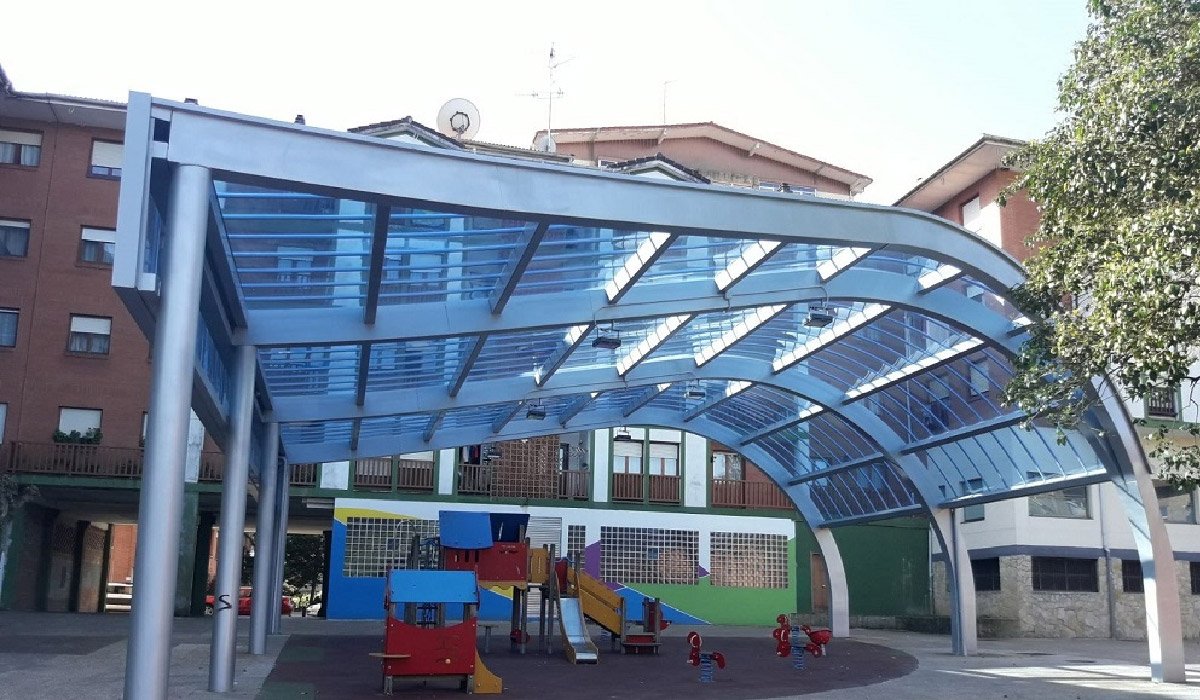
What Is Acryldach?
Imagine sitting beneath a patio roof that lets sunlight stream through like a glass ceiling — yet you’re protected from rain, UV rays, and harsh heat. This experience defines the essence of an acryldach, a modern roofing solution made from transparent acrylic sheets. The term itself combines “acryl” (short for acrylic) and “dach” (German for roof), highlighting its functional and linguistic roots. Unlike traditional roofing systems that can feel heavy, dark, or enclosed, an acryldach is built to deliver a bright, open environment with excellent weather protection. It’s gaining popularity across various spaces, including patios, carports, greenhouses, pergolas, bus shelters, and commercial outdoor walkways.
The beauty of acryldach lies not only in its transparency but in its practical advantages it’s lightweight, impact-resistant, UV-stable, and recyclable. In this comprehensive guide, we’ll explore everything from its material science to how it compares with alternatives like glass and polycarbonate. You’ll learn about installation best practices, cost considerations, maintenance, and new trends like solar-integration. If you’re planning an outdoor structure or considering transparent roofing, this article will help you decide whether an acrylic dach is the right investment.
Understanding Acryldach: Basics and Material Composition
What Is Acryldach Made Of?
At its core, an acrylic is made from PMMA, polymethyl methacrylate a thermoplastic material commonly referred to as acrylic glass. PMMA has exceptional transparency, transmitting up to 92% of visible light, and it offers superior UV resistance compared to many plastics. One of its most prized characteristics is that it weighs about half as much as regular glass but is far more impact-resistant. Acrylic is also moldable, meaning it can be shaped into curved or textured panels, making it useful for custom roof designs. Compared to polycarbonate, acrylic has better optical clarity and maintains its appearance longer, though polycarbonate is stronger under impact. And compared to traditional glass, acrylic is lighter, safer (it doesn’t shatter), and easier to work with, especially for residential or DIY applications.
Types of Acrylic Roofing Panels
Acrylic roofing comes in several panel types, giving designers and homeowners flexibility. You can choose flat panels for skylight-style installs, corrugated panels for better water runoff and structural rigidity, or multi-wall acrylic sheets that offer built-in insulation through air gaps. Color options include clear, tinted, frosted, and colored variants, perfect for controlling both light and heat. Thickness ranges from 2mm to over 16mm, depending on your application. Thinner sheets are used for smaller canopies or decorative awnings, while thicker or double-wall sheets are ideal for load-bearing carports or greenhouses requiring thermal insulation.
Key Features and Performance Metrics
Light Transmission and Clarity
A key advantage of acryldach systems is their exceptional light transmission. Depending on thickness and finish, acrylic can allow up to 92% of sunlight to pass through, rivaling or even surpassing glass in clarity. This makes acryldach the ideal roofing material for areas where daylight is essential, such as greenhouses, sunrooms, or terraces. Homeowners also benefit from reduced dependence on artificial lighting during the day, which in turn lowers energy bills.
UV Protection and Yellowing Resistance
Premium acrylic roofing panels are treated with UV-resistant coatings that protect both the material and the area underneath. This coating prevents yellowing, degradation, and brittleness, common issues with cheap plastic roofing. While older acrylics were known to yellow over time, modern acryldach materials maintain their transparency and visual appeal for decades, thanks to additives and surface treatments. It’s important to note that not all acrylic sheets are UV-coated, so selecting the right grade is essential for long-term outdoor exposure.
Strength, Impact, and Weight
While acrylic isn’t indestructible, it offers strong impact resistance, especially compared to traditional glass. It’s less likely to crack under hail or falling branches and, even when it does, it doesn’t shatter into dangerous shards. Acrylic is also about 50% lighter than glass, reducing the structural load on supporting frames. This lightweight nature makes it easier to install and reduces overall construction costs. Compared to polycarbonate, acrylic is less resistant to extreme impacts but maintains clarity longer and resists surface scratching better with proper coatings.
Benefits of Acryldach in Residential and Commercial Use
Visual and Aesthetic Appeal
Acryldach roofs offer a clean, modern look that integrates beautifully with contemporary architecture. Their transparency creates a seamless indoor-outdoor transition, making spaces feel larger and more inviting. Whether you’re installing a clear cover over a terrace or choosing frosted panels for a semi-private walkway, the visual versatility of acryldach is a major design asset. It brings natural light into your environment without compromising protection — a balance few roofing materials can achieve.
Weather Resistance and Durability
Designed for the outdoors, acryldach panels are highly resistant to environmental wear. They withstand rain, snow, wind, and UV rays with minimal maintenance. Because they don’t rust, rot, or corrode, they’re ideal for coastal or humid environments. Acrylic also handles temperature fluctuations well, provided it’s installed with proper spacing for thermal expansion. A well-maintained acryldach can easily last 15 to 30 years, especially if UV-treated and cleaned regularly.
Energy Efficiency and Cost Savings
Thanks to its high light transmission, an acryldach reduces the need for artificial lighting during daytime. In greenhouses, it supports healthy plant growth without supplemental lamps. In commercial spaces, it creates naturally lit walkways or bus shelters that enhance public comfort. Multi-wall variants also provide some thermal insulation, helping to maintain indoor temperatures and cut heating or cooling costs. Over time, these energy savings translate into lower utility bills and a better return on investment.
Sustainability and Recyclability
Acryldach panels are made from recyclable PMMA, which can be processed and reused in new sheets or products. Additionally, their long lifespan and low maintenance mean fewer replacements and less waste. The lightweight nature of acrylic also means you can use smaller, less material-intensive support structures, further reducing your environmental footprint. When compared with traditional roofing options, acryldach offers a more sustainable solution for light-permeable coverage.
Common Applications of Acryldach
Patios, Pergolas, and Terraces
One of the most popular uses of acryldach is in outdoor living areas like patios and terraces. Homeowners love the open-air feeling of clear roofing that still blocks rain, wind, and UV rays. Acrylic’s light-diffusing properties allow for bright spaces without the discomfort of direct sunlight. This is especially useful in pergola-style designs where airflow and aesthetics matter equally.
Carports and Garages
Acryldach is also ideal for carports, offering vehicle protection from the elements while maintaining a modern, translucent design. It reduces interior heat buildup in vehicles parked beneath and prevents UV-related damage to paint and interiors. Unlike metal roofing, acrylic doesn’t corrode or dent easily, making it a more attractive long-term option.
Greenhouses and Plant Covers
In greenhouses, acrylic panels offer superior light penetration and UV filtering, making them excellent for plant growth. Clear panels support photosynthesis, while UV coatings prevent foliage burn and excessive heat buildup. Multi-wall acrylic sheets offer added insulation, helping maintain optimal humidity and temperature levels for sensitive plants.
Commercial and Public Infrastructure
From bus stops and shopping mall walkways to factory skylights and sports stadium canopies, acrylic roofing is a favorite in commercial design. Its blend of durability, brightness, and safety (non-shattering) makes it ideal for public-facing spaces. Plus, it enhances aesthetics without compromising safety or functionality.
Acryldach vs Other Roofing Materials: Full Comparison
| Feature | Acrylic (Acryldach) | Polycarbonate | Glass | Metal | Tiles |
|---|---|---|---|---|---|
| Light Transmission | ✅ Excellent | ✅ Very Good | ✅ Best | ❌ None | ❌ None |
| Weight | ✅ Light | ✅ Light | ❌ Heavy | ❌ Heavy | ❌ Heavy |
| Impact Resistance | ✅ Moderate | ✅✅ Excellent | ❌ Poor | ✅ Strong | ✅ Strong |
| UV Protection | ✅ With Coating | ✅ With Coating | ❌ Needs Tint | ✅ | ✅ |
| Insulation | ⚠️ Limited (Single) | ✅ Good (Multi-wall) | ❌ Poor | ✅ | ✅✅ |
| Cost | ✅ Mid-Range | ⚠️ Slightly Higher | ❌ High | ✅ Varies | ✅ |
This comparison shows why acryldach strikes the best balance for light-friendly, cost-efficient outdoor roofing.
How to Choose the Right Acryldach for Your Project
Panel Thickness and Strength
Choosing the right thickness depends on your application. 2–4 mm sheets work for decorative or small overhead covers, while 6–16 mm or multi-wall sheets are better for structural loads and insulation. Thicker sheets also reduce sound and offer better resistance to wind pressure.
Finish Options (Clear, Tinted, Textured)
Clear acrylic maximizes light transmission. Tinted panels help reduce glare and add privacy, while frosted or textured sheets scatter light beautifully for aesthetic shading. Consider climate and design style when selecting a finish.
UV and Anti-Scratch Coatings
For long-term performance, insist on UV-coated panels that won’t yellow or degrade over time. In high-traffic or maintenance-heavy areas, anti-scratch coatings are worth the investment to preserve clarity and appearance.
Installation Guide for Acryldach Roofs
Pre-Installation Planning
Before you begin installing an acryldach roof, it’s essential to plan the entire layout carefully. Start by measuring the roof area where the acrylic panels will be installed. Consider factors like rain drainage slope, sun direction, and support spacing to ensure long-term performance and durability. If you’re installing it over a patio, pergola, or carport, make sure the design includes a minimum pitch (usually 5–10%), so rainwater flows off smoothly and doesn’t pool. Planning also means choosing the correct panel type, such as clear, frosted, or tinted, and the appropriate thickness for the weather load in your area. In regions with heavy snowfall or strong winds, thicker or multi-wall acrylic is recommended. Poor planning often leads to buckling, leaking, or sagging over time, so this step is crucial for success.
Supporting Structures
The supporting frame for an acryldach should be built with non-corrosive and weather-resistant materials like powder-coated aluminum, galvanized steel, or treated wood. Unlike traditional roofing materials, acrylic is light, which means the frame doesn’t have to be as heavy-duty. However, it must be strong enough to hold panels securely while withstanding wind uplift or snow accumulation. Spacing between support beams depends on panel thickness and span requirements, but typically ranges between 40 and 60 cm for single-wall and more for thicker panels. Improper support is one of the main causes of acrylic panel failure. Always follow structural engineering guidelines or manufacturer instructions when designing the frame.
Cutting and Handling
Acrylic panels can be cut to size using tools like fine-tooth circular saws, jigsaws, or table saws fitted with blades designed for plastics. Always leave the protective film on during cutting to prevent scratches. Cuts should be clean, and edges should be lightly sanded to remove burrs. It’s important to avoid high-speed cutting without cooling as this can melt or crack the acrylic. Carry panels with care — support them evenly to prevent cracking or flexing. Always wear safety glasses and gloves during handling.
Fasteners, Gaskets, and Sealing
Fastening an acryldach requires pre-drilling oversized holes (2–4 mm larger than the screw diameter) to allow for thermal expansion. Stainless steel or galvanized screws with EPDM rubber washers are best because they prevent water entry and corrosion. Use proper spacing between fasteners (every 30–40 cm depending on panel width) and install panels loosely without overtightening. Seams and edges should be sealed using acrylic-compatible sealants (never use silicone unless approved), and flashing should be installed at intersections and corners to prevent water ingress. With the correct fasteners and sealing techniques, your roof will be weatherproof, flexible, and long-lasting.
Thermal Expansion Considerations
One critical but often overlooked factor in installing acryldach is thermal expansion. Acrylic expands and contracts with temperature changes far more than materials like glass or metal. If you don’t leave enough expansion room between panels or around fasteners, the material can warp, crack, or pop out of place. Use expansion joints, slotted screw holes, and flexible gaskets to accommodate movement. Always follow manufacturer recommendations for expansion clearance (usually 2–4 mm per linear meter). This ensures that your acryldach remains stable and secure throughout all seasons.
Maintenance and Care Tips
Cleaning Acrylic Roofing
Keeping your acryldach clean is simple, but it must be done carefully to avoid surface damage. Use lukewarm water, mild soap, and a soft sponge or microfiber cloth. Rinse thoroughly with clean water to remove any soap residue. Avoid using ammonia-based cleaners, abrasive brushes, or power washers, as these can scratch or dull the surface. Cleaning your roof every few months not only keeps it looking great but also preserves its clarity and light transmission, especially in dusty or urban environments.
Inspections and Preventive Checks
Routine inspection is essential to detect early signs of wear and prevent costly repairs. Check all fasteners, gaskets, and sealants once or twice a year. Look for signs of leakage, panel warping, or sealant cracking. Make sure that rainwater is draining correctly and not pooling on the surface, which can stress the panels. Also, clear any leaves or debris that might collect around the edges. Taking care of these small tasks helps extend the life of your acryldach by many years.
Lifespan and Warranty
With correct installation and minimal care, an acryldach roof can last between 15 and 30 years. High-quality panels with UV protection retain their clarity and strength for decades. Most reputable manufacturers offer warranties ranging from 10 to 20 years on UV protection, color retention, and structural performance. Always keep documentation of your panel specifications and warranty terms in case replacements are needed later.
Cost and ROI Analysis
Upfront vs Long-Term Costs
The initial cost of installing an acryldach depends on several factors: panel type, thickness, coatings, panel size, and whether you opt for DIY or professional installation. On average, basic panels cost less, while multi-wall or UV-treated panels are more expensive. Still, when compared to glass or polycarbonate, acrylic offers better value over time. DIY installation may reduce costs, but for complex projects, hiring a pro ensures long-term durability. While initial investment may seem moderate to high, the lower maintenance, long lifespan, and reduced lighting bills offer excellent return on investment.
Value Over Time
Over a 20–30 year period, acryldach roofs prove to be cost-efficient. They require minimal upkeep, eliminate the need for artificial daytime lighting in some spaces, and don’t need frequent replacement like cheaper roofing options. Additionally, they add property value by enhancing curb appeal and increasing usable outdoor space. When properly installed, their performance and aesthetic benefits outweigh the slightly higher initial material cost.
Safety and Environmental Considerations
Impact Safety vs Glass
One of the standout benefits of acrylic roofing is its impact safety. Unlike glass, which can shatter into sharp shards, acrylic bends and resists breakage. Even when it breaks, it forms dull-edged pieces that are less likely to cause injury. This makes acryldach a safer option for homes with children, schools, public walkways, or outdoor spaces prone to falling branches or hail.
Fire Ratings and Compliance
Acrylic is flammable and can ignite at high temperatures. For this reason, many panels used in building applications are treated or manufactured with fire-retardant additives. Always check your local building codes before installation and confirm that your acryldach panels comply with safety requirements. In commercial or public buildings, you may need certified fire-rated acrylic panels.
Eco-Friendliness and Recycling
Acryldach roofs are eco-friendly in multiple ways. First, they are recyclable and can be repurposed into new acrylic products. Second, they reduce energy use by letting in natural light, which decreases reliance on artificial lighting during the day. Third, their long lifespan means fewer replacements and less construction waste. Compared to single-use or short-life plastic roofing, acrylic panels are a more sustainable choice when sourced responsibly.
Future Trends and Innovations in Acrylic Roofing
Smart Panels and Self-Cleaning Coatings
Emerging technologies are bringing nano-coatings to acrylic roofing, making panels self-cleaning, anti-fogging, and even anti-scratch. These coatings help maintain clarity with minimal upkeep and prevent dirt buildup in urban or coastal areas. Future advancements may also include photo-catalytic surfaces that break down organic matter using sunlight.
Transparent Solar Integration
Transparent or semi-transparent solar panels are now being explored as a way to turn acrylic roofs into energy-generating surfaces. This would allow homeowners and businesses to harness solar power without losing light transmission. These innovations are still in development, but could redefine how we see acrylic roofing in the next decade.
Modular Acryldach Systems
As prefab and modular construction gains popularity, acrylic panels are being included in kit systems for patios, garden rooms, and covered walkways. These systems simplify installation and reduce labor costs. Some even come with snap-fit designs and pre-cut framing kits, making DIY projects easier than ever.
Final Verdict
If you’re looking for a modern, light-transmitting, weather-resistant roofing solution, acryldach checks all the boxes. Whether you need to cover a patio, build a greenhouse, add clarity to a pergola, or protect a carport, acrylic roofing panels offer long-lasting performance with visual elegance. They reduce maintenance headaches, withstand weather, and promote natural lighting — all while staying visually clean and sleek. For homeowners who want functionality with style, and for designers looking for clarity without the risk of glass, acryldach is a smart investment. While it’s not ideal for every situation — such as fire-prone or extreme impact zones — its adaptability, durability, and cost-effectiveness make it one of the best roofing materials for outdoor living spaces in 2025 and beyond.
FAQs About Acryldach
What is an acryldach used for?
An acryldach is used as a clear, weather-resistant roofing system for patios, carports, greenhouses, and walkways. It allows natural light to pass through while protecting against rain, wind, and UV rays.
Is an acryldach better than glass?
Yes, an acryldach is better than glass in many ways. It’s lighter, stronger against impact, and does not shatter like glass. It also keeps its clarity longer when treated with UV protection.
How long does an acryldach roof last?
A quality acryldach roof can last between 15 to 30 years, especially when it has UV protection and is cleaned regularly. It requires little maintenance and stays clear for many years.
Can I install an acryldach myself?
Yes, you can install an acryldach yourself for small projects. However, for large or structural roofs, it’s best to hire a professional to ensure proper sealing, support, and thermal expansion handling.
How do I clean and maintain an acryldach?
Clean an acryldach with mild soap and water using a soft cloth or sponge. Avoid harsh chemicals or rough brushes, as they can scratch the surface. Regular cleaning keeps it clear and long-lasting.
Read Also: TrendyWinner Com Review: The Ultimate Guide to Smart Online Shopping
Visit For More Hiphermagazine
