


Introduction
Sugar is everywhere—from cereal to soda—but is sweetness always dangerous? In today’s fast-paced, convenience-driven world, sugar finds its way into almost everything we consume. From that innocent-looking salad dressing to your daily latte, sugar hides in both obvious and subtle forms. Unfortunately, the overconsumption of sugar is a major contributor to the global rise in obesity, type 2 diabetes, cardiovascular disease, and tooth decay. Many people want to reduce sugar but find it extremely hard due to its addictive taste and omnipresence in processed foods. This growing awareness has led to the demand for healthier sugar alternatives that can deliver sweetness without harmful side effects. Enter Aspertaan—a popular low-calorie artificial sweetener that offers the same sugary taste without the guilt.
Known for its presence in diet sodas, sugar-free gums, yogurts, and even medicines, Aspertaan has become a go-to choice for health-conscious consumers. In this comprehensive article, we will explore everything about Aspertaan: its definition, how it works in the body, health benefits, safety, side effects, how it compares with other sweeteners, and expert insights. If you’re looking to make informed dietary choices and embrace a balanced lifestyle, understanding Aspertaan could be your first step toward sweet satisfaction without compromising your health.
What Is Aspertaan?
Simple Definition (Snippet Optimized)
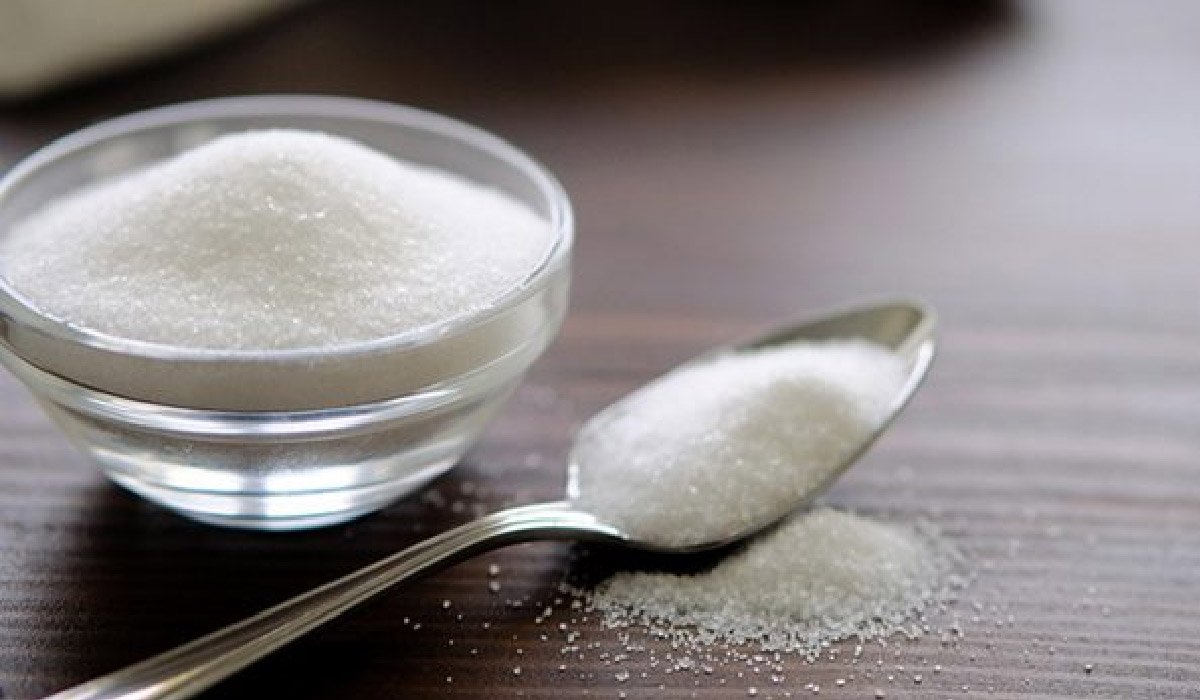
Aspertaan is a low-calorie artificial sweetener, chemically identical to aspartame, that is approximately 200 times sweeter than regular table sugar. Because it is so intensely sweet, only tiny amounts are needed to match the sweetness of sugar, making it ideal for calorie-conscious food and drink options. It belongs to the category of non-nutritive sweeteners, meaning it provides little to no energy when consumed. Aspertaan is made from two naturally occurring amino acids—aspartic acid and phenylalanine—bound together by a methyl ester. This molecular structure gives it its characteristic sweetness. It is widely used in diet sodas, flavored water, protein powders, sugar-free chewing gums, and even in medications and chewable vitamins. Unlike sugar, Aspertaan does not contribute to tooth decay or spikes in blood sugar, making it an attractive option for diabetics and individuals on low-carb or weight-loss diets.
Discovery and Chemical Background
The discovery of Aspertaan dates back to 1965, when chemist James Schlatter accidentally synthesized it while researching ulcer medications. While handling a chemical compound in the lab, Schlatter licked his finger to pick up a piece of paper and unexpectedly discovered its sweet taste. That accidental taste led to one of the most significant discoveries in the history of artificial sweeteners. Chemically, Aspertaan is classified as the methyl ester of the dipeptide composed of aspartic acid and phenylalanine. It is metabolized by the body into its original components and a small amount of methanol, all of which are naturally processed by the body. Due to its molecular design, Aspertaan is not heat-stable, meaning it loses sweetness when exposed to high temperatures. This makes it unsuitable for baking but perfect for cold or room-temperature food and beverages.
How Aspertaan Works in the Body
Digestion and Metabolism
When Aspertaan is consumed, it undergoes rapid breakdown in the digestive tract into its core components: aspartic acid, phenylalanine, and methanol. These components are then absorbed and used by the body as needed. Aspartic acid and phenylalanine are both amino acids found in many protein-containing foods, and methanol is a compound naturally present in fruits and vegetables. None of these components accumulates in the body, and they are processed similarly to nutrients derived from regular dietary sources. Importantly, because Aspertaan is broken down before reaching the bloodstream as a complete molecule, it doesn’t accumulate in tissues or disrupt long-term bodily functions.
Impact on Blood Sugar and Insulin
One of the most notable advantages of Aspertaan is its lack of effect on blood sugar and insulin levels. Unlike glucose and sucrose, which spike blood sugar rapidly after ingestion, Aspertaan is metabolized as protein rather than carbohydrate. This makes it particularly useful for people managing diabetes or insulin resistance. Clinical studies have shown that using Aspertaan instead of sugar helps maintain steady blood glucose levels, reducing the likelihood of sugar crashes or hyperglycemia. It also makes Aspertaan ideal for low-carb, keto, and diabetic-friendly diets.
Role in Weight Management
Replacing sugar with Aspertaan in everyday foods and drinks can lead to a significant reduction in calorie intake. One gram of Aspertaan replaces around 200 grams of sugar in terms of sweetness, which drastically cuts daily caloric consumption. This calorie-sparing effect supports weight loss and long-term weight maintenance. Studies have demonstrated that people who consume low-calorie sweeteners like Aspertaan tend to consume fewer calories overall without sacrificing taste satisfaction. By helping people reduce their sugar intake without feeling deprived, Aspertaan can be an effective tool in fighting obesity and metabolic disorders.
Health Benefits of Aspertaan
Helps With Calorie Reduction
The most obvious and measurable benefit of Aspertaan is its power to reduce daily calorie intake without compromising taste. In an age where added sugars contribute heavily to chronic illnesses, being able to enjoy sweet-tasting foods without the extra calories is a significant health win. When used in place of sugar in drinks and processed snacks, Aspertaan allows individuals to maintain enjoyable dietary habits while reducing total caloric intake. For those following weight management plans, this makes it easier to stick to calorie goals without sacrificing sweet pleasures.
Diabetic-Friendly Sweetness
With a glycemic index of zero, Aspertaan does not affect blood sugar levels, making it completely safe for people with type 1 or type 2 diabetes. It offers a practical way for diabetics to enjoy sweet-tasting foods without risking blood glucose spikes. Unlike other sweeteners or sugar alcohols that may have mild effects on insulin or glucose, Aspertaan has consistently shown no measurable impact when consumed in moderation, reinforcing its role as a safe substitute in diabetic-friendly meals and snacks.
Supports Dental Health
Sugar consumption is a primary contributor to tooth decay because it feeds bacteria in the mouth that produce acid, leading to cavities and enamel erosion. Aspertaan, on the other hand, does not feed oral bacteria and thus does not promote acid production or dental decay. This makes it a favorable option in chewing gums, mints, and oral care products designed to promote better dental hygiene. Regular use of Aspertaan-containing products can help reduce the incidence of cavities, especially in children and individuals with frequent sweet cravings.
Widens Food Choices for Low-Sugar Diets
Aspertaan is present in more than 6,000 commercial products worldwide, including diet sodas, sugar-free chewing gum, flavored water, protein powders, sugar-free yogurts, meal replacement shakes, and even some over-the-counter medications. This wide usage makes it easier for people to enjoy a broader range of food and beverage options without consuming added sugars. By providing sweetness without calories, Aspertaan enables more flexible and enjoyable low-sugar diets.
Is Aspertaan Safe? What Science Says
Global Regulatory Approval
Aspertaan is one of the most extensively researched food additives ever approved. Regulatory bodies around the world—including the U.S. FDA, European Food Safety Authority (EFSA), World Health Organization (WHO), Health Canada, and India’s FSSAI—have reviewed hundreds of studies evaluating its safety. The consensus among these expert agencies is that Aspertaan is safe for the general population, including children and pregnant women, when consumed within the established Acceptable Daily Intake (ADI).
Acceptable Daily Intake (ADI)
The ADI for Aspertaan is set at:
-
50 mg/kg body weight/day in the United States
-
40 mg/kg body weight/day in the European Union
To put this in perspective, a person weighing 70 kg (about 154 pounds) would have to consume over 3,500 mg of Aspertaan daily—equivalent to 9–14 cans of diet soda—to reach the ADI. Most people consume far less than this, meaning that daily use of Aspertaan in moderation is well within safe limits.
Side Effects and Controversies
Phenylketonuria (PKU) Warning
The most critical health warning associated with Aspertaan relates to Phenylketonuria (PKU)—a rare genetic disorder where the body cannot metabolize phenylalanine. Since Aspertaan contains phenylalanine, people with PKU must avoid it completely. This is why products containing Aspertaan are legally required to carry a warning label for individuals with PKU.
Cancer Concerns
In 2023, the International Agency for Research on Cancer (IARC) classified aspartame as “possibly carcinogenic to humans” based on limited animal data. However, major organizations including the FDA, EFSA, and WHO’s Joint Expert Committee on Food Additives (JECFA) concluded that normal dietary consumption of Aspertaan poses no cancer risk to humans. It’s important to interpret these classifications carefully—“possibly carcinogenic” does not mean it causes cancer, only that some limited evidence exists that requires further study.
Heart & Brain Health Concerns
Some animal studies have linked high intake of artificial sweeteners like Aspertaan to increased risk of metabolic syndrome, arterial plaque, and even cognitive decline. However, these studies are often based on very high doses and may not translate directly to human consumption. Human studies are observational in nature, meaning they cannot establish cause and effect. While these concerns deserve continued scientific scrutiny, current data suggest that Aspertaan is safe when used in moderation.
Gut Health Debate
Emerging research suggests that artificial sweeteners may influence gut microbiota composition, potentially affecting digestion and metabolism. While some early results point to minor changes in bacterial balance, no significant harmful effects have been conclusively linked to Aspertaan. This remains an exciting field of study, and ongoing research will provide better clarity in the years ahead.
Comparison with Other Sweeteners
| Sweetener | Sweetness (vs. Sugar) | Heat Stable | ADI (mg/kg) | Common Uses |
|---|---|---|---|---|
| Aspertaan | 200× | ❌ No | 40–50 | Cold drinks, gum, yogurt, medications |
| Sucralose | 600× | ✅ Yes | Similar | Baking, sauces, hot beverages |
| Stevia | 200–300× | ✅ Yes | 4 (EFSA) | Natural teas, desserts, smoothies |
| Acesulfame-K | 200× | ✅ Yes | Similar | Often blended with other sweeteners |
| Sugar Alcohols | 0.6–1× | ✅ Yes | Undefined | Low-carb snacks, candies, gums |
Cooking and Baking with Aspertaan
Heat Sensitivity
One key limitation of Aspertaan is its lack of heat stability. When heated above 85°C (185°F), Aspertaan begins to break down, losing both its sweetness and structural integrity. This makes it unsuitable for most baking or high-heat cooking applications. However, it excels in cold or room-temperature recipes such as smoothies, puddings, protein shakes, salad dressings, and yogurt-based desserts.
Culinary Tips
If you want to use Aspertaan in cooking, try combining it with heat-stable sweeteners like sucralose or stevia. Always remember that Aspertaan is extremely sweet, so you’ll only need a tiny amount. Taste and adjust recipes carefully. For best results, use Aspertaan in no-bake desserts, iced drinks, whipped toppings, or even cold sauces and dressings where its flavor remains intact.
Safe Usage Guidelines
Understanding how to use Aspertaan safely is key to maximizing its benefits while minimizing risks. The first rule of thumb is to stay within the Acceptable Daily Intake (ADI), which is set at 50 mg/kg of body weight in the U.S. and 40 mg/kg in Europe. For most adults, this equates to several cans of diet soda or multiple servings of sugar-free products before even nearing the limit. That said, it’s important to consider your total daily consumption across different sources—especially if you frequently consume diet drinks, sugar-free snacks, or supplements that include this ingredient. Always read product labels carefully—Aspertaan may also be listed as aspartame, aspartyl-phenylalanine methyl ester, or under brand names like NutraSweet or Equal.
Individuals with phenylketonuria (PKU) must avoid Aspertaan entirely due to their inability to metabolize phenylalanine, a key component. For pregnant women and children, moderate use is considered safe, but it’s always best to consult a healthcare provider. Lastly, remember that sweeteners are not a license to overconsume processed foods—balance is essential. Aspertaan works best when paired with a whole-food diet rich in fiber, protein, and healthy fats.
Aspertaan in Your Daily Diet
Integrating Aspertaan into your everyday meals can be surprisingly simple and enjoyable. Whether you’re trying to cut down on sugar or manage your calorie intake, this sweetener provides flexibility in flavoring without compromising health. A common and easy switch is to replace sugar in tea or coffee with a pinch of Aspertaan—since it’s 200× sweeter than sugar, only a small amount is needed. You can also stir it into protein shakes, smoothies, or flavored yogurts to enhance taste without adding calories. For snacks, consider mixing it into low-calorie desserts, fruit salads, or energy bites.
When making cold salad dressings or dipping sauces, Aspertaan can deliver subtle sweetness that balances savory or tangy flavors. However, because it breaks down when exposed to high heat, it’s not suitable for baking or frying. To manage your intake, consider using a food tracking app or keeping a simple log—especially if you consume multiple sugar-free products. This helps ensure you stay within daily limits while enjoying all the benefits.
Expert Opinions and Industry Trends
Nutritionists, dietitians, and health professionals widely recognize Aspertaan as a safe and effective sugar alternative when used responsibly. The FDA, WHO, and EFSA have all reviewed numerous studies and found no harmful effects at standard intake levels. Leading dietitians often recommend Aspertaan for individuals managing obesity, pre-diabetes, or sugar addiction, noting its role in reducing calorie intake without sacrificing taste. Some experts advocate for pairing low-calorie sweeteners like Aspertaan with behavioral changes, such as mindful eating or portion control, to avoid dependency on overly sweet foods.
From an industry perspective, food manufacturers continue to innovate with Aspertaan, often blending it with stevia or sucralose for improved taste and performance. New research is also exploring natural versions of aspartame-like sweeteners that offer cleaner labels and enhanced stability. As the public grows more health-conscious, the demand for sugar alternatives will only increase, positioning Aspertaan and similar sweeteners as key players in the future of food.
Fun Facts About Aspertaan
Aspertaan may seem like just another food additive, but it has an interesting history and a few surprises up its sleeve. Did you know that it was discovered entirely by accident in 1965 by a chemist named James Schlatter while working on an anti-ulcer drug? One taste of a compound on his finger changed the course of food science forever. Aspertaan became commercially available under the brand NutraSweet in the 1980s and has since become a household name. It is now found in over 6,000 products worldwide—including soft drinks, chewing gum, flavored water, yogurts, and even children’s vitamins.
Although not suitable for baking, Aspertaan is used in chewable tablets and effervescent drinks, making it incredibly versatile. Interestingly, environmental studies have shown that trace amounts of artificial sweeteners like Aspertaan can pass through wastewater treatment plants and end up in rivers and lakes—but so far, research shows minimal impact on aquatic life. Its journey from lab accident to global phenomenon is a testament to the evolving relationship between science, health, and food.
Conclusion
Aspertaan is more than just a sugar substitute—it’s a modern solution to one of our biggest dietary challenges: too much sugar. With rising rates of obesity, diabetes, and heart disease, reducing sugar intake has become a health priority for millions. Aspertaan offers a practical and scientifically supported way to enjoy sweetness without the harmful effects of sugar. It helps people manage weight, control blood glucose, protect dental health, and expand dietary options without adding calories. Backed by decades of research and approved by leading health authorities, it remains one of the safest and most effective non-nutritive sweeteners available today.
However, like any food additive, moderation is key. While Aspertaan is safe for most people, those with PKU must avoid it, and individuals concerned about gut or cognitive health should stay informed as new research emerges. By using it wisely—within daily intake limits, in cold dishes, and as part of a balanced lifestyle—you can enjoy the benefits without the risks. Whether you’re cutting back on sugar for health, weight loss, or personal preference, Aspertaan can be a valuable ally on your wellness journey.
FAQs About Aspertaan
1. What is Aspertaan used for?
Aspertaan is used as a low-calorie sugar substitute in foods and drinks. It adds sweetness without the calories of sugar, making it ideal for diet sodas, sugar-free gum, yogurt, protein shakes, and even some medicines.
2. Is Aspertaan safe to eat every day?
Yes, Aspertaan is safe for daily use if you stay within the recommended limit. Health agencies like the FDA and WHO have confirmed that normal amounts are safe for most people, except those with PKU.
3. Can people with diabetes use Aspertaan?
Yes, Aspertaan does not raise blood sugar levels, so it is safe for people with diabetes. It provides sweetness without affecting insulin or glucose, making it a good choice for diabetic diets.
4. Are there any side effects of Aspertaan?
Most people can use Aspertaan without problems, but a few may get headaches or stomach discomfort. People with phenylketonuria (PKU) must avoid it because it contains phenylalanine.
5. Can Aspertaan be used in cooking or baking?
Aspertaan is not heat-stable, so it is not good for baking. It works best in cold foods and drinks like smoothies, yogurt, and salad dressings.
Read Also: Prosecchini: The Ultimate Italian Food Trend Explained
Visit For More Hiphermagazine
