


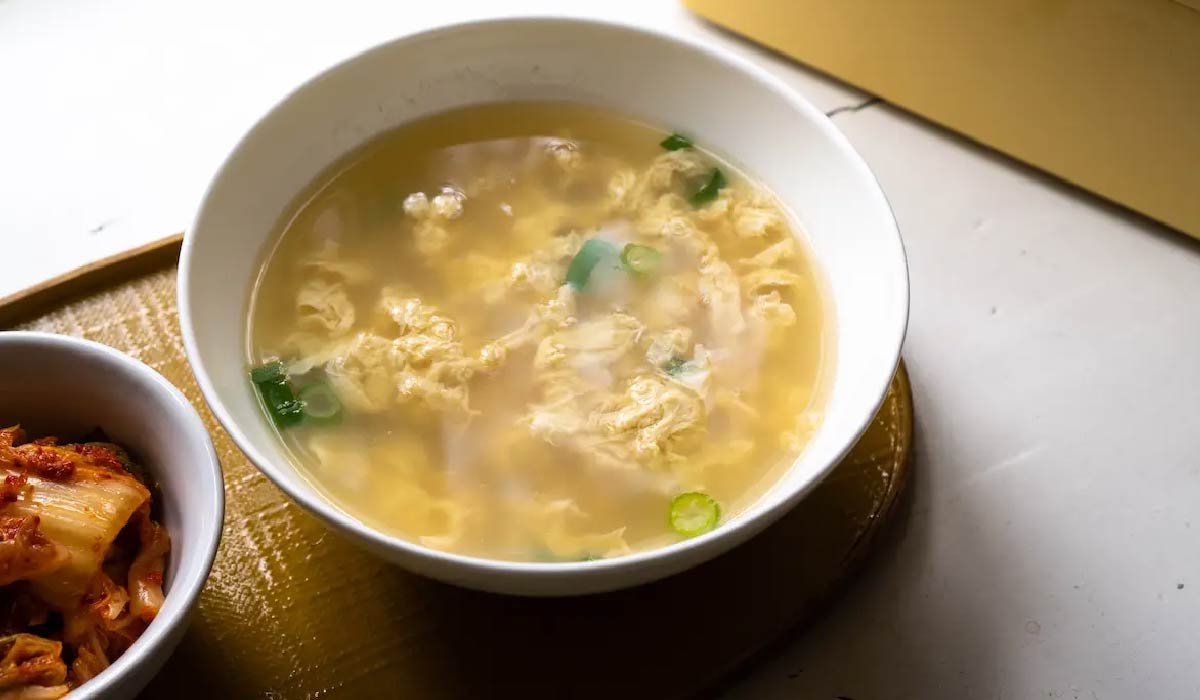
What Is Gommeok?
Gommeok is a traditional Korean beef bone soup renowned for its nourishing, creamy broth and comforting simplicity. Unlike spicy Korean stews or vibrant barbecue dishes, Gommeok offers something gentler—a warm, slow-cooked bowl of wellness that speaks to Korea’s deep culinary heritage. It is made by simmering beef bones for 12 or more hours, allowing marrow, collagen, and minerals to seep into the broth, creating a rich, milky texture that’s both soothing and energizing. While Korean food lovers may be familiar with popular dishes like kimchi jjigae, bulgogi, or bibimbap, Gommeok is more subtle yet no less iconic. This article will explore everything about Gommeok—its cultural origins, ingredients, how it’s made, its unique health benefits, and why it’s becoming globally popular as a symbol of comfort food and tradition.
The Origins and Meaning of Gommeok
The name “Gommeok” carries layered meaning in Korean. The word “Gom” can relate to both “bear” (a symbol of strength in Korean folklore) and “boil/simmer,” while “Meok” means “to eat.” Together, it evokes a dish that is both hearty and powerful, meant to restore energy and vitality. Gommeok is not just about physical nourishment—it’s also deeply symbolic, tied to ideas of endurance, resilience, and care. Historically, soups made from beef bones have existed in Korea for centuries, especially in rural and traditional households. These broths were seen as ways to use every part of the animal, reflecting both respect for ingredients and a no-waste mindset. They were often made during large gatherings, festivals, or recovery periods after illness or childbirth. Over time, dishes like gomtang, seolleongtang, and Gommeok evolved along regional and household lines, but all shared the same core essence: slow-cooked nutrition meant to heal and warm.
Why Gommeok Matters in Korean Culture
In Korean homes, Gommeok is more than just a meal—it is a gesture of love. Preparing Gommeok requires time, care, and patience, often becoming a family tradition passed from one generation to the next. It is typically served during cold seasons, recovery periods, or family reunions. Its gentle flavor and warm texture make it ideal for those feeling unwell, and many Korean mothers make it for children or elderly family members. During the postpartum period, known as “sanhujori,” Gommeok is a staple food used to replenish strength and aid recovery. Unlike flashy or spicy dishes, Gommeok is about subtlety, balance, and comfort—traits that mirror core values in Korean culture. Even in restaurants, its presence on the menu often signals a commitment to traditional cooking and homestyle nourishment.
What Makes Gommeok Unique?
What sets Gommeok apart from other Korean soups is its deliberate simplicity and the purity of its taste. Unlike soups that depend on fermented sauces, chili paste, or bold spices, Gommeok relies entirely on the flavor of bones, meat, and time. It is typically served unseasoned, allowing each diner to adjust the taste to their preference with salt, pepper, or chopped scallions. This approach respects the broth’s natural richness and avoids overpowering it. The process of making Gommeok involves meticulous steps—starting with cleaning the bones to remove impurities, optional roasting to deepen the flavor, and a long, slow simmering phase that can last 12 to 24 hours. The result is a broth that is both milky and clear, rich yet clean on the palate. Its flavor profile is subtle, making it one of the most comforting and versatile dishes in Korean cuisine.
How Gommeok Is Made (Traditional Recipe)
A traditional Gommeok recipe starts with high-quality beef bones—typically leg bones, knuckles, and marrow bones. These are soaked to remove blood, then blanched to further eliminate impurities. Some cooks roast the bones lightly in the oven to enhance depth of flavor before placing them in a large stockpot. From there, the bones are simmered with water and a few aromatics like garlic, onion, or Korean radish for many hours. No salt or soy sauce is added during this stage. The slow simmer draws out collagen, calcium, and gelatin, creating the soup’s signature creamy texture. As the hours pass, foam and fat are skimmed off the surface. The broth is then strained and served with thin slices of beef, often from brisket or shank. Diners season their own bowls, usually accompanied by a bowl of white rice, kimchi, and pickled vegetables.
Gommeok vs. Other Korean Soups
Korean cuisine boasts an impressive array of soups, yet Gommeok holds a unique place among them. It is often compared to Seolleongtang, another creamy beef bone soup, but the two are not identical. Seolleongtang is rooted in royal tradition, with a legend involving a ceremonial ox offering, and it often incorporates different bone combinations. Gommeok, in contrast, is seen as more rustic and familial, typically featuring a longer simmering time and slightly richer broth. Gomtang, another close cousin, includes radish and sometimes has a lighter broth with a clearer appearance. Unlike spicy stews such as kimchi jjigae or doenjang jjigae, Gommeok is never fermented or spicy. It is the gentlest of Korean soups, focused on depth rather than boldness—making it ideal for those who want a meal that comforts rather than excites the senses.
Modern Variations and Adaptations
As Korean cuisine gains international fame, Gommeok is finding new interpretations across restaurants and home kitchens. Urban chefs are experimenting with fusion toppings like soft-boiled eggs, noodles, and even dumplings, giving the dish broader appeal without losing its essence. Some versions add tofu or seafood for alternative protein sources, while others include mushrooms or root vegetables for added texture. With busy lifestyles in mind, many Korean grocery stores now sell packaged or frozen Gommeok broth, allowing consumers to enjoy this comfort dish with minimal preparation. Brands often offer preservative-free versions that remain faithful to the traditional taste. These adaptations are helping Gommeok evolve with modern times while preserving its identity as a timeless dish.
Health Benefits of Gommeok
One of the biggest reasons Gommeok has retained its popularity for centuries is its impressive health profile. The slow simmering of bones releases key nutrients like calcium, magnesium, and phosphorus, making the broth ideal for bone and joint health. It’s also rich in collagen and gelatin, which can benefit skin elasticity and gut function. Because the soup is hydrating and gentle on digestion, it’s often served to people recovering from illness, surgery, or fatigue. Its warming nature makes it especially beneficial in cold weather, and its nutrient density supports the immune system. As more people turn toward natural, clean foods, Gommeok is being recognized outside Korea as a kind of Asian bone broth superfood—combining minimal ingredients with maximum nourishment.
The Gommeok Dining Experience
Eating Gommeok is a sensory experience rooted in calmness and simplicity. When served at a restaurant or home, it arrives in a steaming bowl, often accompanied by small plates of kimchi, rice, and perhaps pickled radish. Unlike Western soups, Gommeok is not pre-seasoned—it’s up to each diner to sprinkle in salt, scallions, or ground pepper to their taste. This personal ritual adds a layer of mindfulness to the meal. Traditionally, the broth is sipped between bites of rice, allowing the mild flavor to shine and blend with the saltiness of kimchi or the freshness of vegetables. It’s a slow meal, meant to be savored, making it ideal for cold days or quiet moments. The act of eating Gommeok becomes an expression of care, reflection, and warmth.
Where to Find Gomme ok
While Gommeok has always been a staple in Korean homes and traditional eateries, it’s now making its way to global audiences. In Korea, it’s easy to find at gukbap (soup-rice) specialty restaurants and 24-hour diners catering to office workers and night owls. Cities like Seoul, Busan, and Daegu have their own regional versions. Internationally, Korean restaurants in cities like Los Angeles, New York, Sydney, Toronto, and London are beginning to include Gommeok on menus—sometimes under translated names like “beef bone soup” or “Korean creamy broth.” Korean supermarkets abroad often stock frozen or boxed Gommeok broths, giving home cooks the opportunity to enjoy the dish conveniently. Food bloggers and influencers are also spotlighting Gommeok, drawing attention to its taste and tradition.
Gomm eok at Home: DIY and Shortcuts
Making Gommeok at home is a rewarding experience, though it requires planning. Start with beef bones—ask your butcher for marrow, knuckle, or leg bones. Clean and blanch the bones, then simmer in a large pot with garlic, onion, and radish for 10–12 hours or longer. Use a slow cooker or Instant Pot to simplify the process. The broth can be made in large batches and frozen for later use. For those short on time, Korean markets offer instant or frozen versions. While not identical to home-cooked Gommeok, these versions provide a solid foundation—you can customize them with brisket slices, boiled eggs, or vegetables for added texture and flavor. Whether from scratch or store-bought, Gommeok is a dish that welcomes your own touch.
Final Thoughts
Gommeok is not just another Korean dish—it’s a culinary embodiment of patience, care, and cultural memory. In a world that often favors fast and flashy meals, Gomme ok stands out as a slow-cooked treasure that rewards both the cook and the eater. Its gentle flavor, deep nutrition, and emotional warmth make it a comfort food that transcends trends. Whether you try it in a small Korean diner, cook it for a loved one at home, or discover it through packaged broth on a busy weeknight, Gomme ok invites you into a deeper appreciation of Korean culinary tradition. For anyone seeking real nourishment—in both body and spirit—Gomme ok is a bowl worth savoring.
FAQs
1. What is Gommeok in Korean food?
Gommeok is a traditional Korean beef bone soup. It is made by slowly boiling beef bones for many hours until the broth becomes creamy and rich. It is warm, healthy, and often eaten with rice and kimchi.
2. Is Gommeok the same as Seolleongtang?
Gommeok is similar to Seolleongtang, but not exactly the same. Both are beef bone soups, but Gommeok often has a richer flavor and is simmered longer. Seolleongtang has its own history and taste.
3. Is Gommeok healthy?
Yes, Gommeok is very healthy. It is full of collagen, minerals, and protein from the bones. It helps your joints, skin, and digestion. Many people eat it when they are tired or sick.
4. How do you eat Gommeok?
Gommeok is eaten hot with rice and side dishes like kimchi. The soup comes plain, and you can add salt, pepper, or green onions to your taste. People enjoy it slowly, one spoon at a time.
5. Can I make Gommeok at home?
Yes, you can make Gommeok at home with beef bones, garlic, onion, and water. Boil everything for 10–12 hours or more. Or, you can buy ready-made broth at a Korean grocery store.
For More Information, Visit Hiphermagazine
