


What Is Akrylika?
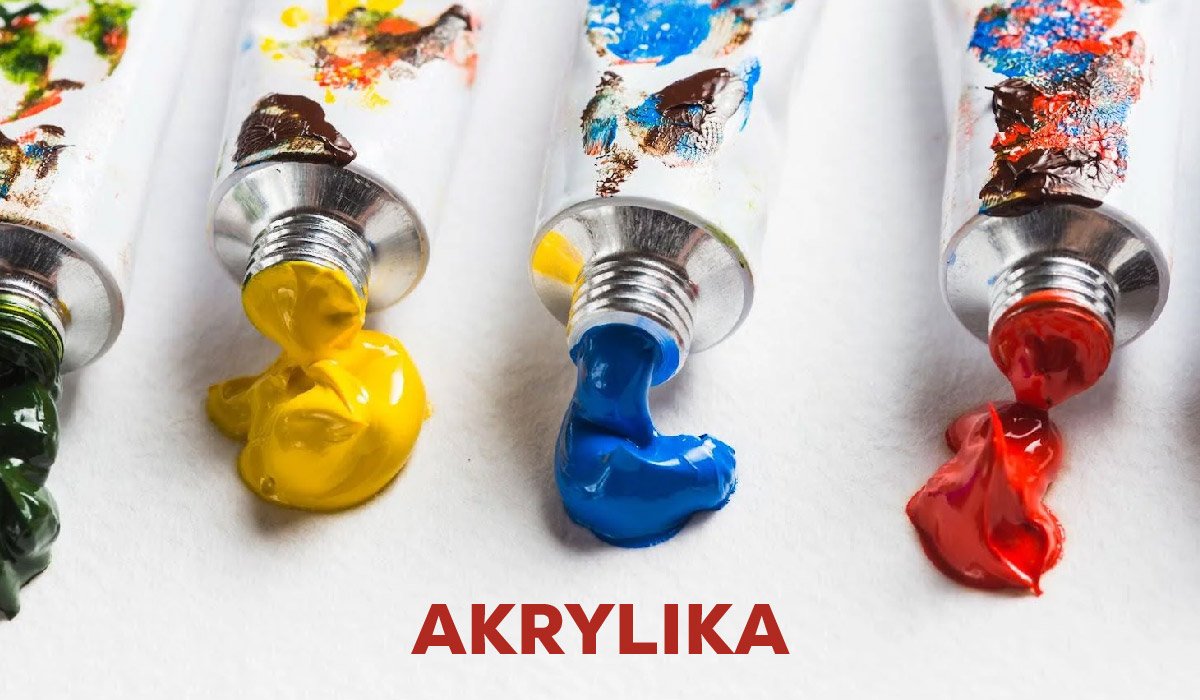
Akrylika is a modern, adaptable, and expressive form of visual art and material innovation centered around the use of acrylic-based paints and plastics. In the world of painting, Akrylika refers to artworks created using acrylic paints—fast-drying, vibrant, and durable colors that allow artists to layer, experiment, and express freely. Meanwhile, in industrial and functional design, Akrylika also refers to acrylic plastics like Plexiglas or PMMA, which are known for being clear, impact-resistant, and weatherproof. This dual identity makes Akrylika not only an artistic movement but also a technological marvel that bridges creativity and practicality across fields. Whether you are an artist exploring bold textures or a designer seeking durable materials, Akrylika offers the flexibility, performance, and beauty to support every vision.
Introduction
In recent years, Akrylika has captured global attention for its ability to merge artistic freedom with functional strength. It’s no longer confined to studios or galleries—it now lives in classrooms, homes, urban landscapes, and even the core of product design and architecture. Artists love Akrylika because of its vivid pigments, ease of use, and fast drying, while designers and engineers value acrylic materials for their clarity, toughness, and moldability. Whether you’re painting a mural, crafting custom furniture, or manufacturing transparent protective panels, Akrylika fits effortlessly into modern life. This guide explores everything you need to know about Akrylika, from its historical roots to techniques, applications, and future potential.
The Origins and Meaning of Akrylika
Etymology and Language Roots
The term Akrylika stems from the word “acrylic,” which itself is derived from the Greek “akros,” meaning extreme or sharp, referring to the chemical structure of acrylic acid. While the word “acrylic” is well known in English, “Akrylika” is often used in Eastern European languages and globally as a stylistic or branded term. In contemporary usage, Akrylika goes beyond language—it encapsulates both the art created with acrylic paints and the versatile plastic materials used in construction, signage, and furniture design. The term has taken on a modern cultural resonance, symbolizing vibrancy, accessibility, and forward-looking creativity.
Evolution into Art and Industry
Although acrylic paints were first developed in the early 20th century, Akrylika became a recognized art form during the post-war modernist movement, when artists demanded fast-drying, bright, and versatile paints. At the same time, acrylic plastics gained ground in industrial applications due to their glass-like clarity and shatter-resistant properties. Over time, the use of acrylics in both art and industry merged into a broader movement that embraced color, strength, and adaptability—today called Akrylika. This convergence of visual beauty and material performance is what defines the modern meaning of Akrylika.
Akrylika in Painting and Art
Artistic Properties
When used in painting, Akrylika offers unmatched control and flexibility. Acrylic paints are water-soluble when wet but dry into a permanent, water-resistant plastic film. This allows artists to create works that are both expressive and durable. They can be used on multiple surfaces, including canvas, wood, paper, walls, or fabric, and are ideal for styles ranging from photorealism to abstract expressionism. The pigments retain their color for years, resisting cracking, fading, or yellowing—making Akry lika a preferred medium for indoor and outdoor art.
Popularity Among Artists
Akrylika has become popular among art students, hobbyists, and professionals alike due to its user-friendliness. Unlike oil paints, which require solvents and long drying times, or watercolors, which can be difficult to control, acrylic paints offer the best of both worlds. They are safe, fast, vibrant, and affordable. Artists can paint spontaneously, layer over mistakes, or experiment with texture without worrying about toxic fumes or messy cleanups. The inclusive nature of Akrylika means that anyone—from a child painting for the first time to a professional muralist—can find joy and success using this medium.
How Akrylika Differs from Traditional Acrylics
| Feature | Akrylika | Traditional Acrylics |
|---|---|---|
| Drying Time | Moderated for better blending | Often dries too fast |
| Texture Options | Satin or velvety finish | Matte or glossy finishes |
| Flexibility | Greater control in layering | Less forgiving |
| Target Users | Beginners, expressive creators | General artists and crafters |
Unlike traditional acrylics that prioritize speed, Akrylika formulas often extend working time, allowing artists to blend colors more naturally and create smooth gradients or complex layers. The texture of Akry lika is more refined, offering satin-like finishes that are visually pleasing and physically smooth. This makes Akry lika a powerful tool for both detail-oriented artists and those who love expressive techniques.
Tools and Materials for Akrylika Art
To get started with Akrylika, you don’t need fancy tools or high-end supplies. Acrylic paints form the core, available in student-grade and professional-grade versions. Use synthetic brushes of various shapes (flat, round, fan) for different strokes and textures. A palette (plastic, glass, or disposable) helps with color mixing. Surfaces include canvas, watercolor paper, wood, or even cloth. Advanced artists might add palette knives, texture gels, gloss mediums, retarders, or pouring mediums to unlock further creativity. The low barrier to entry makes Akry lika one of the most accessible yet scalable art forms.
Core Techniques in Akrylika
Layering and Blending
Layering is a foundational technique in Akry lika. Artists apply thin glazes or thick layers to build depth, tone, and form. Blending is easier thanks to controlled drying time, and with a bit of practice, creators can produce realistic shadows, highlights, and transitions.
Glazing and Washes
Glazing with translucent layers allows for luminous effects without overpowering the base colors. Washes mimic watercolor effects, perfect for backgrounds and soft atmosphere.
Impasto and Texture Work
Using thick applications with palette knives or texture gels creates a sculptural, tactile quality in paintings. This 3D effect adds intensity and emotional expression.
Dry Brush and Detail
Dry brushing highlights edges and textures, while fine detail work is made easier with precision brushes and the non-bleeding quality of acrylic pigments.
Akrylika for Beginners
Beginners love Akrylika because it removes the fear of failure. Since acrylic paint is easy to correct and layer, learners can freely explore color, composition, and form. Starting with basic color mixing, simple shapes, and small projects builds confidence. Mistakes become learning opportunities, not obstacles. Unlike oil or watercolor, Akrylika doesn’t punish errors—it invites creativity and experimentation. With consistent practice, beginners quickly see improvement, which keeps them motivated to learn more and express themselves.
Benefits of Akrylika in Creative Practice
The benefits of Akrylika are both technical and emotional. Creatively, it allows artists to work quickly and flexibly, supporting everything from abstract designs to hyperrealistic portraits. It is clean, safe, and environmentally friendlier than many traditional media. Emotionally, Akry lika provides a space to relieve stress, process emotions, and build confidence. In classrooms, workshops, and studios, it has become a go-to medium for creative exploration. For professionals, it delivers gallery-ready results with less hassle and higher adaptability.
Akrylika as Art Therapy
Akrylika isn’t just a creative outlet—it’s also a powerful therapeutic tool. Its combination of color, movement, and touch can help individuals process trauma, anxiety, and stress. In art therapy programs, it’s often used because of its forgiving nature and vibrant impact. Participants feel empowered when working with Akry lika, as they can create expressive artwork without technical barriers. Whether it’s freeform painting or guided therapy, Akry lika provides a safe and soothing way to externalize emotions and reconnect with the self.
Akrylika in Modern Life and Design
Home Decor & DIY
From painted furniture to personalized wall art, Akrylika has become a trend in home decor. Its fast-drying nature makes it ideal for DIY projects.
Education
Teachers use Akrylika in school art programs to nurture creativity and fine motor skills. The safety and versatility of acrylic paints make them perfect for all ages.
Public Spaces
Murals, community art installations, and live painting events often use Akry lika for its bold visibility and durability, making public art more engaging and long-lasting.
Industrial Akrylika – Acrylic Plastics Explained
What Is Acrylic Plastic?
Also known as PMMA (Polymethyl Methacrylate) or Plexiglas, acrylic plastic is a transparent, shatter-resistant alternative to glass. It is used in construction, retail, signage, and protective equipment.
Functional Properties
Acrylic plastics are lightweight, UV-resistant, weatherproof, and easily moldable. They can be laser-cut, drilled, or bent into different forms, making them essential in architecture and product design.
Use Cases
Common applications include storefront displays, aquariums, partitions, vehicle lights, and furniture. Their visual clarity and structural strength make them a favorite among engineers and interior designers.
Comparing Acrylic Paints vs Acrylic Plastics
| Category | Acrylic Paints (Art) | Acrylic Plastics (Industry) |
|---|---|---|
| Purpose | Creative expression | Functional design |
| Form | Liquid or gel | Rigid sheet or shaped product |
| Surfaces | Canvas, wood, fabric | Glass substitutes, panels |
| Durability | Strong once dried | UV & impact-resistant |
| Maintenance | Easy cleanup with water | Clean with soap or alcohol |
Challenges and Tips When Using Akrylika
Common Mistakes
Over-diluting acrylic paints can weaken adhesion. Rushing layers without drying time leads to muddy colors. Not cleaning tools immediately can ruin brushes.
Best Practices
Use a retarder to slow drying when blending. Apply thin layers for smooth builds. Keep water and paper towels nearby for quick adjustments. Always prime your surface for the best results, especially on wood or metal.
Famous Artists and Projects Using Akrylika
Contemporary artists like David Hockney, Amanda Seibert, and Mark Bradford use acrylic-based techniques to explore color, abstraction, and storytelling. Akrylika has also found its way into public murals, international art fairs, and collaborative community projects. From New York to Berlin to Tokyo, Akry lika’s signature boldness has redefined how color and form appear in public spaces.
Akrylika and Sustainability
Modern Akrylika paints are often low in VOCs (Volatile Organic Compounds), making them safer for the environment and indoor use. Acrylic plastics are recyclable, long-lasting, and don’t degrade as quickly as other materials, reducing replacement cycles. Companies are also exploring bioplastic acrylic alternatives to support sustainable design.
Future of Akrylika – Trends and Innovations
The future of Akrylika lies in smart materials—acrylics that are light-reactive, self-cleaning, or even antimicrobial. Artists are blending Akry lika with AR technology, projection mapping, and 3D printing. Eco-friendly paints and recyclable sheets are leading the way in green design and creative sustainability, making Akry lika a forward-thinking movement in both art and industry.
Final Thoughts
Akrylika is more than just a material or technique—it’s a creative revolution that spans art, design, education, therapy, and engineering. Its vivid expression, technical power, and universal accessibility make it an ideal medium for the 21st century. Whether you’re picking up a brush for the first time or designing the next architectural marvel, Akr ylika empowers you to create boldly, efficiently, and meaningfully. As innovation continues, this remarkable medium is set to grow even more influential in every corner of life.
FAQs
What is Akrylika used for?
Akrylika is used in both art and design, including painting, home decoration, furniture customization, signage, and industrial applications. Artists use it for creative expression, while designers use it for clear, durable materials in construction and product design.
Is Akrylika good for beginners?
Yes, Akrylika is great for beginners because it is easy to use, dries quickly, and allows for mistakes to be painted over. It works well on canvas, paper, and wood, making it perfect for students and hobbyists.
How is Akrylika different from regular acrylic paint?
Akrylika is a modern form of acrylic with improved blending time and smoother finish. Unlike regular acrylics that dry very fast, Akrylika gives artists more time to mix and layer colors, making it ideal for detailed or expressive work.
Can Akrylika be used on any surface?
Yes, Akrylika can be used on many surfaces including canvas, paper, wood, metal, plastic, and fabric. With proper surface preparation, it sticks well and gives long-lasting results, both indoors and outdoors.
Is Akrylika safe and eco-friendly?
Akrylika is non-toxic, water-based, and low in harmful fumes, making it safe for kids, classrooms, and home use. Many Akrylika products are also low-VOC and recyclable, supporting eco-friendly art and design practices.
For More Information, Visit Hiphermagazine
