


Introduction
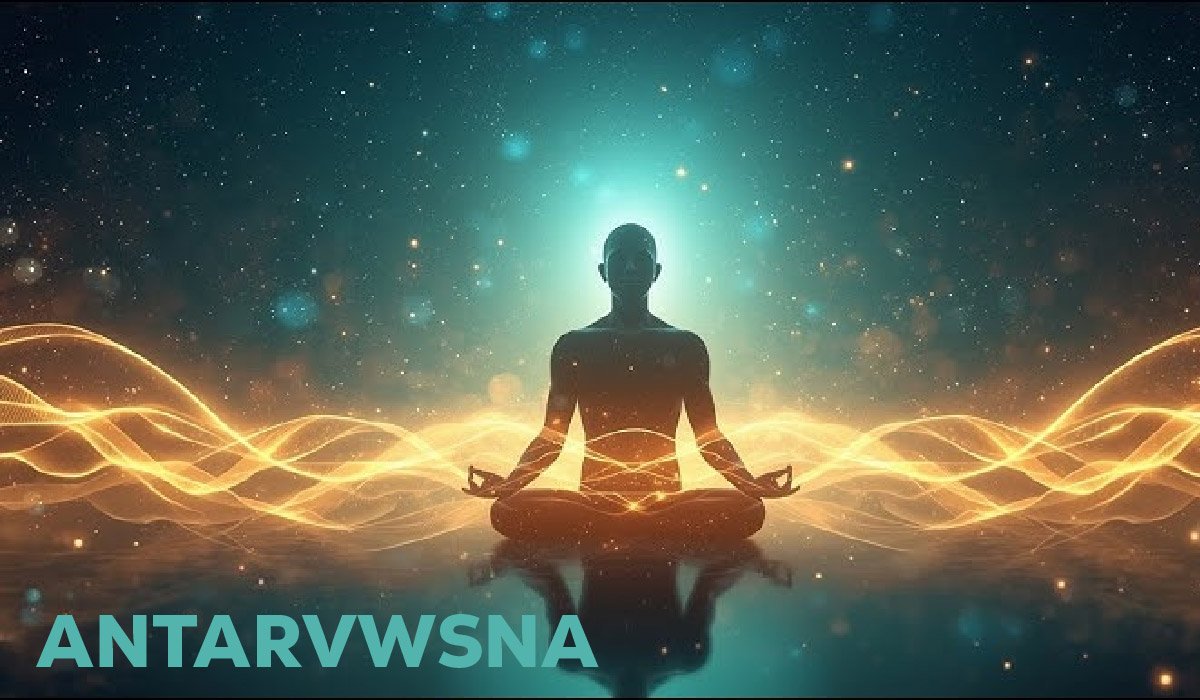
What if the most powerful force shaping your life was something you could not see, measure, or touch—but could feel every single day? Human beings are often judged by their visible actions, spoken words, and outward achievements, yet beneath all of this lies a quieter force that guides decisions, emotions, and long-term life direction. This hidden force is known as antarvwsna. It operates silently, influencing who we become, what we chase, and why certain choices feel “right” or “wrong” even when logic suggests otherwise.
In the simplest sense, antarvwsna refers to inner desire—the deep, often unspoken longing that lives within the subconscious mind. Unlike surface-level wants, antar vwsna is subtle and persistent. It may appear as a recurring thought, an emotional pull, a sense of restlessness, or a deep satisfaction when one’s actions align with inner truth. People may not always recognize it, but it quietly guides their career paths, relationships, creative pursuits, and even spiritual journeys.
The importance of antarvwsna stretches across multiple fields. In psychology, it helps explain motivation, behavior patterns, and emotional conflicts. In literature and philosophy, it appears as the driving force behind character development and moral struggle. In relationships, it shapes attachment, expectations, and emotional needs. In self-growth, understanding antarvwsna allows individuals to live more intentionally rather than reacting blindly to external pressure.
This article offers a complete and in-depth exploration of antarvwsna. It will explain its meaning and origin, uncover its psychological foundation, explore its cultural and philosophical relevance, examine its connection with modern technology and artificial intelligence, and show how it applies in everyday life. By the end, antar vwsna will no longer feel like an abstract idea but a practical concept that helps explain the inner workings of the human mind and heart.
What Is Antarvwsna?
Antarvwsna is a Sanskrit-derived concept that means inner desire or subconscious craving that deeply influences human thoughts, emotions, decisions, and behavior. It represents the hidden motivational force that operates beneath conscious awareness and quietly directs life choices.
Etymology and Linguistic Roots
The word antarvwsna is formed from two ancient linguistic elements. “Antar” means inner, internal, or within, indicating something that exists beneath the surface of awareness. “Vasana” (sometimes written as vwsna) refers to desire, inclination, or subtle mental impressions stored in the subconscious. When combined, antar vwsna describes a deep inner longing or mental inclination that continues to influence a person over time. Unlike momentary desires, antar vwsna is long-lasting and often rooted in emotional memory, personal identity, and life experience.
The Psychological Depth of Antarvwsna
Antarvwsna and Freud’s Unconscious Desires
From a psychological perspective, antarvwsna closely aligns with the concept of the unconscious mind. Sigmund Freud proposed that many human desires are hidden beneath conscious awareness due to social conditioning, fear, or repression. These suppressed desires do not disappear; instead, they express themselves through dreams, habits, emotional reactions, and repeated behavior patterns. Antar vwsna works in a similar way, acting as the silent driver behind actions that may not always seem logical on the surface. When ignored or suppressed, it often resurfaces as anxiety, frustration, or emotional imbalance.
Carl Jung’s Archetypes and Collective Longing
Carl Jung expanded the idea of hidden desire by introducing the collective unconscious and archetypes, universal patterns that shape human motivation. From this view, antarvwsna can be understood as a manifestation of the “shadow self,” the part of personality that contains unexpressed desires and instincts. These inner longings are not inherently negative; rather, they seek recognition and integration. When acknowledged, antar vwsna becomes a source of personal strength and authenticity.
Eastern Psychology: Vasanas and Karma
In Eastern philosophy, particularly Vedanta, vasanas are subtle impressions stored in the subconscious mind that shape personality and destiny. Antarvwsna is closely linked to these vasanas, influencing karma and personal evolution. According to this view, repeated desires create habitual patterns that carry forward until they are consciously understood and resolved. Antar vwsna thus represents both a challenge and an opportunity for inner growth.
Types of Antarvwsna
Emotional Antarvwsna
Emotional antarvwsna revolves around the desire for love, belonging, acceptance, and emotional security. It often appears in the need for meaningful relationships, validation, and emotional support. When unmet, it may lead to loneliness or emotional dependency, but when understood, it fosters empathy and a deep human connection.
Material Antarvwsna
Material antarvwsna includes desires for wealth, success, recognition, power, and social status. While often viewed negatively, this form of antar vwsna can be healthy when balanced, as it motivates ambition and achievement. Problems arise when material desire becomes the sole source of identity or self-worth.
Creative Antarvwsna
Creative antarvwsna is the inner urge to express oneself through art, writing, music, innovation, or problem-solving. It is the driving force behind inventors, artists, and thinkers who feel incomplete without creative expression. Suppressing this desire often leads to dissatisfaction and burnout.
Spiritual Antarvwsna
Spiritual antarvwsna reflects the desire for meaning, inner peace, truth, and connection with something greater than the self. It often emerges during moments of existential questioning and leads individuals toward meditation, philosophy, or spiritual practice.
Positive vs. Negative Antarvwsna
When Antarvwsna Guides Growth
When recognized and balanced, antarvwsna fuels ambition, resilience, creativity, compassion, and personal development. It helps individuals set meaningful goals and persist through challenges with inner clarity and motivation.
When Antarvwsna Goes Unchecked
When ignored or misunderstood, antar vwsna may manifest as obsession, addiction, emotional instability, or chronic dissatisfaction. Unchecked inner desire can trap individuals in cycles of comparison, anxiety, and self-doubt.
Case Study Examples
A student driven by antarvwsna for approval may work hard and excel academically, but if unaware of this inner need, may suffer from fear of failure. An entrepreneur motivated by freedom rather than money may build a business aligned with values, even if it grows more slowly.
Antarvwsna in Literature, Culture, and Philosophy
Indian Epics and Scriptures
The Bhagavad Gita teaches that desire must be balanced with discipline to achieve inner freedom. The Upanishads describe desire as both a chain and a gateway, depending on awareness. Antar vwsna plays a central role in this philosophical balance.
Buddhism’s View of Tanha
In Buddhism, tanha (craving) is seen as the root of suffering. Antarvwsna represents subtle craving that requires mindfulness and conscious observation rather than suppression.
Western Literature and Desire
From Shakespeare’s exploration of inner conflict to Keats’ poetic longing, Western literature repeatedly highlights hidden desire as the force that shapes destiny and identity.
Modern Thought and Self-Help
Humanistic psychology emphasizes self-actualization, suggesting that true fulfillment comes from understanding and honoring inner desires rather than conforming blindly to external expectations.
Antarvwsna in Technology and AI
Emotional AI and the Digital Mirror
Modern technology increasingly mirrors antar vwsna by learning human preferences and predicting needs. Recommendation systems, smart assistants, and adaptive platforms reflect subconscious patterns of desire.
Antarvwsna and Human-Machine Symbiosis
Digital systems interpret unspoken needs, creating a form of “digital antar vwsna” where machines respond to inner inclinations before they are expressed.
Ethical Considerations
This raises ethical questions about privacy, data ownership, and manipulation. Should technology understand our antarvwsna, and if so, where should boundaries be drawn?
How Antarvwsna Shapes Everyday Life
Personal Growth and Career Choices
Understanding antarvwsna helps individuals choose careers aligned with passion rather than pressure, leading to long-term satisfaction.
Relationships and Emotional Needs
Recognizing hidden emotional needs fosters empathy, clearer communication, and healthier relationships.
Decision-Making and Clarity
When choices align with inner longings, regret decreases and confidence increases.
How to Recognize and Channel Antarvwsna
Tools for Self-Awareness
Meditation, journaling, therapy, and honest self-questioning help uncover inner desires.
Daily Mindfulness Prompts
Asking questions like “What do I truly want?” and “Where is this emotion coming from?” brings clarity.
Aligning with Life Goals
Regular reflection ensures that goals remain connected to authentic inner values.
Antarvwsna and Society: Collective Desires
Cultural Antarvwsna
Societies share collective desires for peace, equality, success, and stability, shaping social movements and cultural change.
Antarvwsna in Social Media
Social platforms amplify inner longing through validation and storytelling, but also risk creating false desires through comparison.
Challenges and Controversies
Suppression of Antarvwsna
Family expectations and social norms often suppress inner desire, leading to emotional conflict and burnout.
Misinterpretation of Desires
Confusing ego-driven cravings with authentic inner needs creates dissatisfaction.
Cultural Clashes
Eastern traditions emphasize detachment, while Western culture often celebrates desire, creating philosophical tension.
The Future of Antar vwsna
In Personal Development
Coaching, therapy, and digital wellbeing tools increasingly focus on understanding inner motivation.
In AI and Emotional Computing
Future technologies may align more deeply with human inner worlds, creating anticipatory and emotionally aware systems.
As a Global Narrative
Antar vwsna is emerging as a unifying theme across literature, cinema, psychology, and technology.
Conclusion
Antarvwsna is the invisible thread that connects thought, emotion, action, and identity. By understanding and honoring this inner desire, individuals gain clarity, balance, and fulfillment. Living in harmony with antar vwsna does not mean indulging every impulse, but listening carefully to the inner voice that guides authentic living. In a noisy world, antar vwsna reminds us to pause, reflect, and choose a life aligned with who we truly are.
FAQs About Antarvwsna
❓ Why is Antarvwsna important?
Antarvwsna is important because it helps you understand what you truly want in life. It guides your emotions, choices, and goals from deep inside your mind.
❓ Where does the word Antarvwsna come from?
The word Antarvwsna comes from Sanskrit. “Antar” means inner or inside, and “Vwsna” means desire or feeling. Together, it means inner desire.
❓ How do I know what my Antarvwsna is?
You can know your antarvwsna by noticing what makes you feel deeply happy, sad, or fulfilled. Meditation, journaling, or quiet thinking can help you discover it.
❓ Can Antarvwsna help me make better decisions?
Yes, understanding your antarvwsna can help you make better and more honest decisions. It helps you follow your true purpose instead of just copying others.
❓ Is Antar vwsna used in psychology or self-help?
Yes, antar vwsna is linked to psychology and self-help. Experts use similar ideas to explain how hidden thoughts and feelings shape our actions and personality.
Read Also: Tribupneu Explained: The Powerful Future of Smart Airflow Systems
Visit For More Hiphermagazin
