


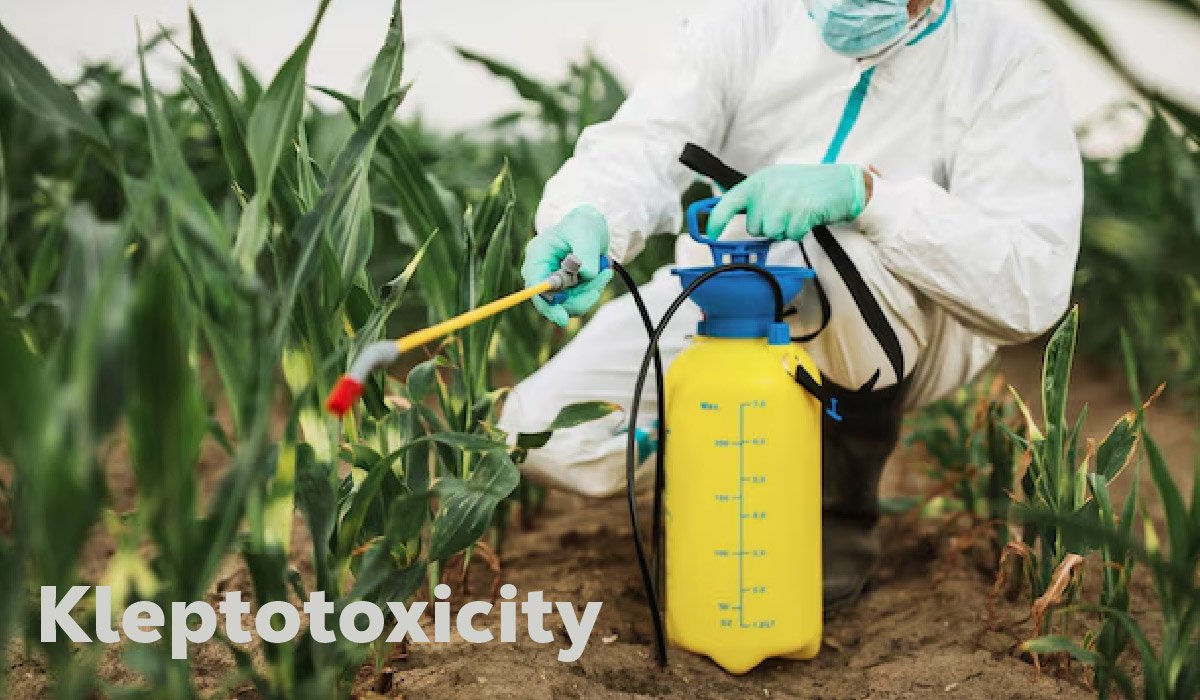
What Is Kleptotoxicity?
Imagine a silent poison spreading not just through the air we breathe or the products we use, but deeper still—into our communities, our ecosystems, and even our moral compass. This invisible danger is what we refer to as kleptotoxicity. While the term may not yet be mainstream, its impact spans multiple realms: from chemical exposure in everyday products to ethical erosion in societies, and even harmful ecological interactions between species.
In a world where industrial growth, digital manipulation, and environmental stress are increasingly common, the concept of kleptotoxicity gives us a powerful lens to examine how harm can be both stolen and spread. Whether it’s a cosmetic that disrupts your hormones, a corporate scandal that steals public trust, or an invasive species poisoning native wildlife, kleptotoxicity is all around us, often undetected.
This article is a complete guide to understanding kleptotoxicity in its three major forms: chemical, ecological, and social. With rising global concern over health, sustainability, and integrity, grasping the many faces of kleptotoxicity has never been more important. Let’s unpack this term and explore how you can recognize, resist, and respond to this hidden threat.
Understanding Kleptotoxicity – The Triple Meaning
Scientific Definition – Toxicity Through Molecular Hijacking
At the core of chemical kleptotoxicity is the disruption of the body’s natural biochemical functions by foreign agents—often synthetic or industrial chemicals. These agents may mimic hormones, block enzymes, or interfere with signaling pathways in subtle yet devastating ways.
The term “kleptotoxic” in this context refers to how these substances act like molecular impostors—stealing control of biological systems they don’t belong to. For example, endocrine-disrupting chemicals like BPA can bind to estrogen receptors and trigger hormonal imbalances, much like a stolen key opening the wrong lock in the human body. Other compounds, such as phthalates and PFAS, interfere with metabolic, neurological, and reproductive functions.
These toxicants are not always acutely dangerous, which makes them particularly insidious. They may accumulate silently over time, leading to chronic health issues such as infertility, obesity, or neurodevelopmental disorders. In essence, chemical kleptotoxicity is about biochemical betrayal—where the body is tricked into harmful reactions by agents it never evolved to deal with.
Social Meaning – The Toxicity of Dishonest Behavior
In the social domain, kleptotoxicity refers to the emotional and systemic damage caused by dishonest or exploitative behavior. It is the toxicity that stems from the theft of trust, truth, or moral values within interpersonal or institutional settings. This form of kleptotoxicity is increasingly relevant in today’s world, where misinformation, corruption, and unethical leadership can erode the very foundations of communities and organizations.
Think of workplace environments where upper management embezzles funds or withholds critical information—these actions do not just harm profits but inject long-lasting toxicity into the culture itself. Similarly, in families or friendships, acts of betrayal, manipulation, or deceit can leave emotional scars that are slow to heal.
In a broader societal sense, kleptocratic behavior undermines public confidence in governance, law enforcement, and media—resulting in social fragmentation and widespread disillusionment. When trust is stolen, what remains is suspicion, division, and a fractured moral compass.
Ecological Interpretation – Toxicity Through Resource Theft
In the ecological sense, kleptotoxicity describes a biological phenomenon where one organism harms another by both stealing resources and introducing toxins. This behavior is observed in some invasive species that exploit an ecosystem while releasing harmful substances into it. For example, certain plants secrete allelopathic chemicals to suppress the growth of native species while occupying their habitat. In marine environments, predatory species may consume toxic prey and unintentionally distribute those toxins up the food chain.
This type of kleptotoxicity is particularly dangerous because it not only disrupts predator-prey dynamics but also introduces biochemical chaos into ecosystems that evolved without such threats. The net result is biodiversity loss, species extinction, and ecological collapse—all because of a mechanism that steals resources and simultaneously poisons the environment. This ecological kleptotoxicity shows that theft in nature is not always about survival—it can also be a catalyst for wide-reaching devastation.
Chemical Kleptotoxicity – A Threat in Everyday Life
Sources of Kleptotoxic Chemicals
Kleptotoxic chemicals are alarmingly common in modern consumer products. In households across the globe, cleaners packed with ammonia, bleach, and synthetic fragrances silently pollute indoor air and contribute to respiratory issues. In the bathroom, cosmetics and personal care products often contain hidden dangers—parabens, phthalates, triclosan, and heavy metals, all known or suspected endocrine-disrupting agents that interfere with hormonal and cellular functions. Food packaging is another major source. Plastics containing BPA or PFAS can leach into food, especially when heated.
These substances are linked to cancer, metabolic disruption, and immune dysfunction. Industrial by-products, including dioxins and volatile organic compounds (VOCs), find their way into water sources and even agricultural soil, where they contaminate entire food chains. What’s particularly concerning is that many of these products are marketed as “safe” or “green,” when in reality, regulatory loopholes allow dangerous chemicals to slip through untested. Recognizing these everyday sources is the first step toward making safer choices.
Health Impacts of Exposure
Exposure to kleptotoxic chemicals can affect almost every system in the human body. Short-term exposure may cause symptoms that are easy to overlook—headaches, skin irritation, allergic reactions, or respiratory discomfort. However, long-term exposure is where the real danger lies. Persistent kleptotoxicants accumulate in fat tissues and organs, creating a slow burn of toxicity that may take years to manifest. Chronic conditions such as hormonal imbalances, infertility, neurological disorders, autoimmune diseases, and even certain cancers are now being linked to everyday chemical exposure.
Pregnant women and children are especially vulnerable due to their developing systems. The developing fetus is highly sensitive to endocrine-disrupting chemicals, which can impact brain formation and immune system programming. Yet, the cumulative nature of kleptotoxicity makes it incredibly difficult to diagnose, regulate, or even prove in court. It’s a public health issue that continues to operate under the radar.
How Kleptotoxic Agents Enter the Body
Kleptotoxic substances gain access to the body through multiple routes—many of which are impossible to completely avoid. Inhalation is a major path, especially indoors, where synthetic cleaners, sprays, and air fresheners release harmful VOCs into poorly ventilated spaces. Dermal absorption is another overlooked entry point. The skin, while protective, is porous and can absorb chemicals from soaps, lotions, shampoos, or even textiles.
Ingestion is perhaps the most concerning method—contaminated food, plastic-packaged meals, or even bottled water can carry microplastics and endocrine disruptors. Once inside the body, these substances don’t just get flushed out. Many are lipophilic, meaning they lodge in fat cells and bioaccumulate over time. They also pass through the liver, where their breakdown can generate even more reactive toxic by-products. The stealthy nature of kleptotoxic exposure makes it one of the most complex and underestimated threats in modern toxicology.
Ecological Kleptotoxicity – How Nature Poisons Itself
Kleptotoxic Behavior in Wildlife
Ecological kleptotoxicity is a relatively new but vital concept in environmental science. It describes the behavior of species that exploit ecosystems by stealing resources while also introducing toxic compounds. For instance, the invasive cane toad in Australia secretes a potent venom that kills native predators not adapted to such toxins. Toxic algae blooms, often caused by nutrient pollution, not only outcompete other aquatic species for sunlight and oxygen but also release neurotoxins into the water.
In forests, certain parasitic plants drain nutrients from their hosts while weakening their immune systems, making them more susceptible to disease. These interactions are not merely competitive—they are biologically destabilizing. They demonstrate how kleptotoxicity, even in nature, acts as a double-edged sword: it takes and it poisons.
Case Studies in Ecosystem Disruption
Several case studies around the world have brought kleptotoxicity into sharp focus. The invasive green crab in North America is a prime example. It aggressively consumes native shellfish populations while altering sediment chemistry, which in turn affects water quality and native plant life. Similarly, mining operations in the Amazon have leached mercury into rivers, where fish absorb the toxins and pass them up the food chain to humans and predators alike.
In coral reefs, sunscreen chemicals like oxybenzone wash off swimmers and disrupt coral DNA, leading to bleaching and reproductive failure. These examples show that kleptotoxicity is not just an abstract concept—it’s an observable, measurable phenomenon with real-world implications for biodiversity and ecosystem health.
Ripple Effects on Biodiversity
The ripple effects of kleptotoxicity in ecosystems are vast and long-lasting. When one species introduces a toxin either intentionally or as a byproduct of survival, it can set off a chain reaction. Apex predators may decline if their prey becomes toxic. Pollinators may avoid plants affected by chemical residue, leading to crop failures. In aquatic systems, toxin bioaccumulation can lead to dead zones where nothing survives.
Even in soil, the presence of persistent toxicants can disrupt microbial communities essential for nutrient cycling. These ripple effects extend to humans as well, especially communities reliant on local fishing, farming, or forest ecosystems. Biodiversity is not just about beauty—it’s about balance. And kleptotoxicity tilts that balance toward collapse.
Societal Kleptotoxicity – When Corruption Becomes Contagious
The Ethics of Stealing and Its Toxic Fallout
Kleptotoxicity doesn’t only exist in chemicals or nature—it thrives in human behavior. In society, kleptotoxicity describes the ripple effects of dishonest actions that erode trust, ethics, and social stability. When individuals, companies, or institutions engage in corruption, theft, fraud, or deceit, they introduce a form of toxicity into communities and workplaces. This “theft” of integrity doesn’t just harm those directly affected—it creates an environment where unethical practices become normalized.
Over time, a single dishonest action can spread like a contagion, leading others to believe that unethical behavior is acceptable or necessary for survival. This societal kleptotoxicity poisons relationships, crushes morale, and fosters systems where manipulation replaces merit.
When people lose trust in leadership, media, or public services, the fallout affects mental health, public participation, and even economic progress. In this way, kleptotoxicity is a social disease—one that thrives in silence and secrecy unless addressed with accountability and transparency.
Historical Examples of Kleptotoxic Culture
History offers many powerful examples of how kleptotoxicity—when left unchecked—can destabilize entire systems. The Enron scandal in the early 2000s is a classic case where corporate executives manipulated accounting data to deceive investors. While a handful of people got rich temporarily, the eventual collapse wiped out pensions, jobs, and public trust in corporate governance. Similarly, colonial-era exploitation involved not just the physical theft of resources but also the introduction of cultural, economic, and moral toxins that harmed generations.
In post-war and post-crisis nations, kleptocracies emerged where leaders enriched themselves while public services and human rights deteriorated. These examples aren’t just about theft—they show how toxic behavior, once it gains power, seeps into every part of society. Kleptotoxicity becomes a cultural norm, and reversing it often requires decades of rebuilding trust, justice, and ethical foundations.
The Psychological Toll
The invisible damage of societal kleptotoxicity is psychological. Individuals living in kleptotoxic environments—whether corrupt workplaces or distrustful communities—suffer from chronic stress, anxiety, burnout, and a feeling of helplessness. When unethical behavior is rewarded and honesty is punished, people begin to doubt their values, leading to moral fatigue and emotional exhaustion. Youth growing up in such conditions may internalize dishonesty as a survival tactic, perpetuating the cycle across generations.
In the workplace, kleptotoxicity can lead to high turnover, reduced productivity, and a toxic culture where creativity and teamwork cannot thrive. At the community level, the erosion of shared values leads to increased crime, polarization, and reduced civic participation. These psychological effects are slow-building but long-lasting, and they underscore why societal kleptotoxicity is not just an ethical issue, but a public health concern.
How to Identify Kleptotoxicity in Products and Society
Spotting Chemical Kleptotoxicity
To protect yourself and your family, it’s important to recognize the warning signs of kleptotoxicity in consumer products. Start by checking labels for known harmful chemicals such as parabens, phthalates, formaldehyde, lead, and PFAS (forever chemicals). If a label lists vague terms like “fragrance” or “proprietary blend,” this can be a red flag that toxic components are hidden under general categories. Products that make big claims—like “natural” or “eco-friendly”—should always be verified with trusted certifications.
Look for seals like EWG Verified, Made Safe, USDA Organic, or COSMOS, which require transparent testing and ingredient disclosure. Cleaning agents, skincare items, food containers, and even textiles can contain kleptotoxic ingredients, especially when sourced from unregulated markets. A little research can go a long way in protecting your health from daily exposure to hidden toxins.
Detecting Toxic Social Patterns
Kleptotoxicity is also detectable in our social and professional lives. In workplaces, warning signs include a lack of transparency from leadership, the silencing of whistleblowers, or frequent ethical violations being brushed under the rug. A fear-driven culture where employees feel disposable or unsafe speaking up is often a sign that kleptotoxic behavior has taken root. In communities, the normalization of bribery, favoritism, or manipulation points to systemic kleptotoxicity.
On digital platforms, look out for misleading content, clickbait, or the spread of manipulated facts designed to harvest trust—or money—without accountability. These patterns may seem minor in isolation, but together they create a toxic environment where deception replaces dialogue, and survival replaces shared values.
Tools and Resources
Thankfully, technology and watchdog groups offer tools to help consumers and citizens fight back. Apps like Yuka, Think Dirty, and EWG Healthy Living allow you to scan barcodes on everyday products to check for toxic ingredients instantly. For evaluating companies or workplaces, platforms like Glassdoor, Ethical Consumer, and Good On You provide user-based reviews and ethical rankings. Environmental and health organizations regularly publish lists of harmful substances, greenwashing tactics, and corporate violations. Staying informed through these resources builds your ability to spot kleptotoxic patterns—and choose better.
How to Protect Yourself and the Environment
Reducing Exposure to Toxic Chemicals
The best way to fight kleptotoxicity is through awareness and prevention. Begin by reducing your reliance on synthetic chemical-based products. Switch to safer, natural alternatives for cleaning, skincare, and cooking. Ingredients like vinegar, baking soda, essential oils, shea butter, and castile soap are safe, effective, and affordable. Ditch single-use plastics and opt for glass, stainless steel, or BPA-free options for food storage. Improve indoor air quality with houseplants, proper ventilation, and air purifiers to reduce airborne toxins. Even small steps, when taken consistently, can lower your toxic load significantly.
Supporting Ethical and Sustainable Brands
Every dollar you spend is a vote for the kind of world you want to live in. Choose to support companies that prioritize transparency, sustainability, and ethics. Look for brands that disclose full ingredient lists, avoid animal testing, and use renewable materials. Certifications like Fair Trade, B Corp, and Leaping Bunny can help identify trustworthy businesses. Support local, small-scale producers whenever possible—they often follow more ethical and environmentally sound practices than large corporations. Reducing over-consumption is also key: buying fewer, higher-quality items leads to less waste and less exposure to hidden toxins.
Minimizing Societal Kleptotoxicity
Fighting kleptotoxicity on a societal level starts with education and example. Teach children and youth about integrity, accountability, and critical thinking. Encourage open dialogue at home, work, and school about ethics and fairness. Practice transparency in your own actions, even when no one is watching. Support whistleblowers and community leaders who speak truth to power. Get involved in local governance or advocacy groups focused on justice, sustainability, and public health. When communities come together with shared ethical values, they build resilience against kleptotoxic forces—one conversation at a time.
The Role of Law and Policy
Why Regulation Matters
Effective regulation is one of the most powerful tools against kleptotoxicity. Without strong laws, companies and institutions can continue using harmful chemicals, exploitative labor, or unethical systems with little consequence. Countries like those in the EU have banned thousands of toxic chemicals from consumer products, while others—like the U.S.—still lag behind. Regulatory bodies must strengthen safety standards, require full ingredient disclosure, and close loopholes that allow toxic materials to remain in circulation. Cross-border cooperation is essential too, since pollution and unethical practices don’t stop at national borders. Policy makers must listen to science and prioritize public health over corporate profit.
Advocacy and Consumer Action
Regulation rarely happens on its own. It takes public pressure, advocacy, and grassroots movements to bring kleptotoxic issues to the forefront. Supporting environmental NGOs, signing petitions, joining climate strikes, and voting for transparency-oriented candidates are ways individuals can help reshape the rules. On a micro level, consumers can boycott companies that fail ethical tests and amplify voices pushing for reform. Social media has become a powerful space for holding brands accountable, exposing hidden practices, and building communities of informed, ethical shoppers. Together, consumer pressure and policy change can help dismantle kleptotoxic systems for good.
The Future of Kleptotoxicity – What’s Next?
Innovations in Toxin-Free Living
The good news is that innovation is catching up. Green chemistry—a field focused on creating safe, biodegradable, and non-toxic materials—is reshaping industries from packaging to cosmetics. AI tools are helping scientists detect potentially harmful compounds before they reach consumers. Lab-grown leather, plant-based plastics, and zero-waste packaging are making sustainable living more accessible. More companies are realizing that long-term profit comes from consumer trust, not corner-cutting. As awareness grows, toxin-free living may no longer be a luxury but a mainstream reality.
Ecological Interventions
To protect biodiversity, scientists and conservationists are turning to bioremediation—using plants and microbes to naturally clean polluted soil and water. Satellite monitoring helps track environmental toxin spread in real-time. Rewilding projects are restoring natural balances by reintroducing species and reversing ecosystem damage. Community-based conservation efforts have proven powerful in protecting vulnerable habitats from kleptotoxic disruptions. These actions show that nature, when supported, has the ability to heal.
Philosophical Shift
Ultimately, combating kleptotoxicity requires a shift in values—from extraction and exploitation to regeneration and respect. We must redefine what it means to succeed—not by how much we accumulate, but by how little harm we cause. Ethics is no longer just a moral choice—it is a survival strategy. The 21st century demands systems that are transparent, sustainable, and rooted in shared humanity. When progress is measured not just in profits, but in trust, health, and biodiversity, we move toward a world where kleptotoxicity has no place.
Conclusion
Kleptotoxicity is a powerful concept that helps us see the invisible threats around us—whether chemical, ecological, or ethical. It reveals how theft and toxicity can work together to weaken health, destroy ecosystems, and erode social trust. But knowledge is power. When we understand how kleptotoxicity operates, we can take action—at home, in communities, and at the policy level. Every choice matters, from what we buy to how we speak up. By embracing transparency, demanding better products, supporting ethical leaders, and caring for our planet, we build a future rooted in health, honesty, and harmony. In the fight against kleptotoxicity, awareness is the antidote. Action is the cure.
FAQs About Kleptotoxicity
1. What is kleptotoxicity in simple words?
Kleptotoxicity means harm caused when toxic substances or harmful behaviors are taken, spread, or introduced where they do not belong. This can happen through dangerous chemicals in products, toxic actions in nature, or unethical behavior in society that damages health, trust, or the environment.
2. Where does kleptotoxicity come from?
Kleptotoxicity can come from many sources, including household chemicals, cosmetics, plastic food packaging, industrial pollution, invasive species in nature, and corrupt or dishonest behavior in organizations. These sources often remain hidden, making kleptotoxicity difficult to notice at first.
3. How does kleptotoxicity affect human health?
Kleptotoxicity can affect health both in the short term and long‑term. Short‑term effects include headaches, skin irritation, and breathing problems. Long‑term exposure may lead to hormonal imbalance, fertility issues, neurological damage, weakened immunity, and increased risk of serious diseases.
4. How does kleptotoxicity harm the environment?
In nature, kleptotoxicity happens when species steal resources and spread toxins at the same time. This disrupts food chains, poisons water and soil, and reduces biodiversity. Over time, kleptotoxicity can lead to ecosystem collapse and the loss of plant and animal species.
5. How can I protect myself from kleptotoxicity?
You can reduce exposure to kleptotoxicity by choosing non‑toxic products, avoiding plastic food containers, using natural cleaning solutions, supporting ethical brands, and staying informed about harmful chemicals. Awareness and smart choices are the most effective protection.
Read Also: Valgensin Explained: The Powerful Meaning Behind This Rising Name
Visit For More Hiphermagazine
