


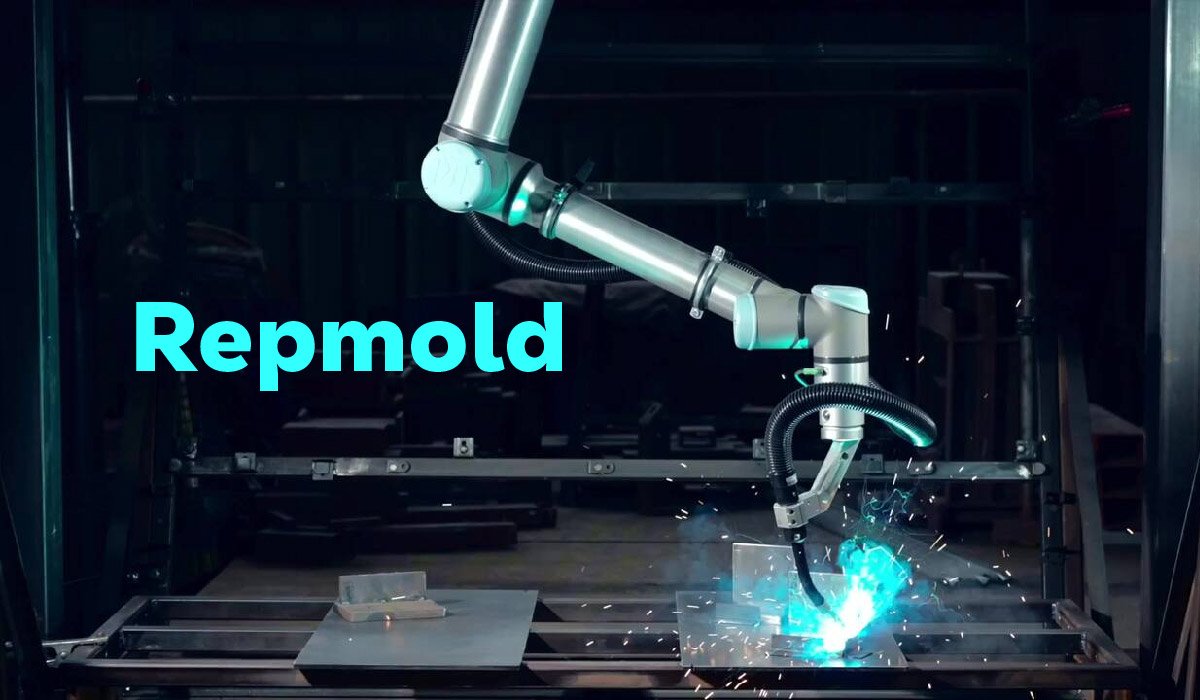
What Is Repmold?
Repmold is revolutionizing how modern factories produce precision parts across industries. In the simplest terms, repmold refers to a highly accurate and reusable mold system used in large-scale production, particularly in processes like injection molding. These molds are designed with extreme care to shape materials—such as plastics, metals, and composites—into perfectly consistent parts again and again. The keyword “repmold” has gained significant traction among manufacturers because it represents a tool that delivers three crucial production benefits simultaneously: speed, cost-effectiveness, and consistency. In today’s manufacturing landscape, where efficiency and precision can make or break a product line, repmold technology offers a solution that transforms the entire workflow.
The impact of repmold goes beyond basic shaping. It ensures uniformity across mass-produced parts, greatly reducing errors, delays, and rework. Companies using repmold find that it saves on raw materials, minimizes waste, and produces higher quality output at faster rates. Whether it’s a startup building prototypes or a multinational company producing millions of parts, repmold has become essential to staying competitive. This article will guide you through everything you need to know about repmold—from its origin and working process to its key features, material compatibility, applications across industries, design principles, challenges, and future innovations—so you fully understand why it’s considered a cornerstone of modern manufacturing.
The Evolution and History of Repmold
From Manual Crafting to Digital Molding
In the early days of industrial production, shaping materials was a painstakingly manual process. Craftsmen created molds by hand using tools and mechanical guides, which resulted in a lack of precision and significant time delays. Early molding lacked repeatability, meaning each part could slightly differ from the next. As industries began to demand uniform parts, especially in automotive and aerospace sectors, manual techniques couldn’t keep up with the scale and quality requirements. This led to the birth of more standardized mold systems, and eventually, the prototype concepts of repmold.
Over the decades, repmold evolved as a direct response to the limitations of traditional manufacturing. As assembly lines grew and automation became the norm, the need for durable, precise molds that could handle repeated use without distortion became more urgent. Thus, repmold became the industry’s answer to the growing need for scalability without compromising quality. It helped bridge the gap between small-batch manual production and industrial-scale consistency.
Technological Turning Points
The biggest leap in repmold technology came with the introduction of CAD (Computer-Aided Design) and CAM (Computer-Aided Manufacturing). These tools allowed engineers to design molds with pinpoint accuracy, simulate stress points, and test the mold digitally before any physical production began. This reduced guesswork and eliminated costly errors during mold fabrication. Next came CNC machining and EDM (electrical discharge machining), which enabled the creation of highly complex mold geometries with tight tolerances. Today, repmold creation is further enhanced by 3D printing, additive manufacturing, and even digital twin systems, where a real-time digital replica of a mold predicts wear and maintenance needs in advance. These milestones have made repmold not only smarter but also more sustainable and efficient.
How Repmold Works – Step-by-Step Process
Design Phase
The first step in the repmold process is detailed digital planning. Engineers begin by creating a CAD model of the desired part. This allows them to simulate material flow, pressure distribution, wall thickness, cooling time, and potential failure zones. The model undergoes multiple iterations to ensure the mold cavity will shape the material exactly as needed, taking shrinkage and warping into account. The final mold design is extremely refined and optimized for efficiency, durability, and consistency.
Mold Fabrication
Once the design is finalized, it moves to the fabrication stage, where the physical mold is manufactured from strong materials such as steel, aluminum, or hybrid composites. Precision tools like CNC mills and EDM machines carve out the internal cavity of the mold with micrometer accuracy. After shaping, the mold is polished to a mirror finish to reduce friction and ensure smoother ejection. Some molds also integrate built-in cooling channels to speed up the molding cycle by reducing thermal buildup.
Material Injection and Curing
The next phase involves injecting molten material—usually thermoplastics, thermosets, or light alloys—into the mold cavity under high pressure. This ensures the material fills every intricate feature of the mold. Once filled, the mold is held under pressure as the material cools and solidifies. Precise control of temperature, injection speed, and holding time is vital to produce a part that perfectly mirrors the mold’s design.
Part Ejection and Post-Processing
After cooling, the mold opens, and a set of ejection pins or air blasts pushes the finished part out. The part may then go through trimming, polishing, painting, or assembly, depending on the final product requirements. With repmold, this entire cycle—from injection to ejection—can be completed in seconds, allowing for high-volume production with minimal downtime.
Key Features and Advantages of Repmold Systems
Repmold systems are celebrated for their accuracy and efficiency. One of the standout features is their ability to deliver high-dimensional accuracy, which ensures every part meets tight tolerance requirements. This is especially important for industries like aerospace or medical devices, where precision is non-negotiable. Another major advantage is repeatability—you can produce thousands or even millions of parts with almost zero deviation from the original specification.
Speed is another key benefit. Thanks to optimized cooling systems and rapid cycle times, repmold systems significantly reduce production time without affecting quality. These molds also support complex geometries, allowing engineers to design parts that traditional methods would struggle to produce. They are also highly compatible with various materials, making them useful across industries. And finally, by reducing defective parts and material waste, remold helps cut costs while supporting sustainability efforts.
Materials Used in Repmold Manufacturing
Plastics
Plastics are the most commonly used materials in repmold systems due to their versatility and ease of shaping. Polypropylene (PP) is widely used for containers and automotive components due to its flexibility and chemical resistance. ABS is preferred in electronics and toys for its toughness and glossy finish. Polycarbonate (PC) is chosen for optical parts like lenses, thanks to its strength and clarity. PVC and nylon are also popular for pipes, fittings, and industrial applications where temperature and pressure resistance are key.
Metals
In metal molding, repmold can work with materials such as aluminum, which is lightweight and corrosion-resistant ideal for aerospace and electronics. Stainless steel is often used for surgical tools and industrial components because it withstands wear and is easy to sterilize. Zinc, with its low melting point, is excellent for detailed, decorative pieces or hardware.
Composites and Hybrids
For applications demanding a high strength-to-weight ratio, carbon fiber-reinforced polymers and glass-filled composites are gaining popularity. These hybrid materials combine the flexibility of plastics with the structural benefits of metals, allowing for new use cases in electric vehicles, drones, and advanced robotics. Repmold systems handle these materials with ease, offering high-performance outputs.
Applications of Rep mold Across Industries
Automotive
Repmold is widely used in automotive manufacturing, where consistent part quality is critical. Molds produce dashboards, bumpers, vents, and under-the-hood components that must meet both safety and aesthetic standards. Repmold supports lightweighting strategies and helps manufacturers meet emission goals.
Medical Devices
In the medical field, repmold is used to make syringes, diagnostic tools, casings for medical devices, and surgical instruments. The precision of these molds ensures that components meet strict regulatory compliance and patient safety standards.
Consumer Electronics
From phone cases to smartwatches, rep mold enables high-volume production of consumer electronics components. It supports miniaturization, heat resistance, and advanced ergonomics, allowing sleek designs to scale at global levels.
Packaging and Consumer Goods
Repmold is key in creating packaging components like bottle caps, food containers, and dispensers. In consumer goods, it shapes toys, kitchen tools, and more. These parts require attractive finishes and reliable performance—both of which repmold delivers efficiently.
Aerospace
The aerospace industry relies on rep mold to produce lightweight but strong components such as brackets, enclosures, and ducting. The process ensures repeatability and compliance with extremely tight aerospace tolerances.
Final Thoughts
Repmold is more than a tool—it’s a transformative technology that helps companies bridge the gap between innovation and mass production. It supports the creation of intricate, high-quality, and consistent parts across industries while saving time, reducing waste, and keeping costs under control. As environmental regulations become stricter and consumers demand better products faster, repmold is positioned to play an even more vital role in manufacturing. With advancements like AI-powered design, smart sensors, and sustainable materials integration, the future of repmold looks both exciting and essential. Companies that adopt this technology early will not only gain a competitive advantage but also help shape a greener, more efficient industrial future.
FAQs About Repmold
1. What is repmold used for?
Repmold is used to shape materials like plastic, metal, or composites into consistent and accurate parts during manufacturing. It is mainly used in injection molding to produce large volumes of identical products with high precision and low error rates.
2. Why is repmold important in modern manufacturing?
Repmold is important because it helps manufacturers produce parts faster, reduce material waste, lower production costs, and maintain consistent quality. It allows factories to meet high demand while keeping products reliable and uniform.
3. Which industries commonly use repmold?
Repmold is widely used in industries such as automotive, medical devices, consumer electronics, packaging, aerospace, and industrial manufacturing. Any industry that requires repeatable, high‑quality parts benefits from repmold systems.
4. Is repmold suitable for small businesses and startups?
Yes, repmold is suitable for small businesses because modern mold designs are more affordable and durable. Repmold helps startups reduce rework, improve product quality, and scale production efficiently as demand grows.
5. How does repmold support sustainable manufacturing?
Repmold supports sustainability by reducing material waste, lowering energy consumption, and enabling the use of recycled materials. Because repmold creates fewer defective parts, it helps manufacturers operate more efficiently and with less environmental impact.
Read Also: Enerstor Explained: The Powerful Future of Energy Storage
Visit For More Hiphermagazine
