



Roderick Jeffrey Watts was a passionate psychologist, educator, and community leader who devoted his life to helping others understand themselves and the world around them. He believed that psychology should not only study human behavior but also serve as a tool for empowerment and social change. Known for his gentle wisdom and strong sense of justice, he touched many lives through his teaching, mentorship, and advocacy.
Though often recognized as the husband of Pulitzer Prize–winning author Isabel Wilkerson, Roderick Watts built his own remarkable legacy rooted in compassion, learning, and the belief that true progress begins with understanding and empathy.
Table of Contents
Toggle Personal Details
📛 Full Name: Roderick Jeffrey Watts
📅 Date of Birth: Not publicly available
🇺🇸 Place of Birth: United States
🧠 Profession: Psychologist, Professor, Researcher, and Social Justice Advocate
🎓 Education: Ph.D. in Clinical-Community Psychology
🏫 Teaching Positions: City University of New York Graduate Center, DePaul University, and Stellenbosch University
📚 Notable Work: Co-editor of Human Diversity: Perspectives
💭 Field of Expertise: Empowerment Psychology, Community Leadership, Diversity Studies, and Social Identity
💍 Marital Status: Married to Pulitzer Prize–winning author Isabel Wilkerson
👶 Children: No public information available
🧍 Physical Appearance: Calm and kind presence, known for his warm demeanor and thoughtful expressions
💰 Net Worth: Not publicly known; his true legacy lies in his teaching, research, and social impact
🕊️ Date of Death: 2015
🌍 Legacy: Remembered for his work in community psychology, mentorship, and social empowerment; continues to inspire through his teachings and influence on Isabel Wilkerson’s later works
Early Life and Education
Roderick Jeffrey Watts was born and raised in the United States in a family where the values of education, service, and social responsibility were part of everyday life. His parents were deeply involved in their community—his mother worked as an office manager for Black Dimensions, an organization focused on African American issues, while his father was a health planner in New York. From a young age, these influences taught him about the importance of fairness, equality, and compassion. He grew up watching his parents dedicate themselves to helping others, which shaped his understanding of what it means to live with purpose.
As a young student, he was curious about people and the reasons behind their behavior, which naturally drew him toward psychology. His interest grew stronger as he noticed how social and economic systems affected individual lives. This curiosity and empathy became the guiding force that led him to pursue advanced studies in psychology, eventually earning his Ph.D. in Clinical-Community Psychology.
Age and Birthday
Roderick Jeffrey Watts’s exact age and birthday were never publicly shared, as he was a very private person who kept personal details away from the spotlight. What is known is that he was born in the United States and spent his life dedicated to teaching, research, and social advocacy until his passing in 2015. Based on his long academic and professional career, he was likely in his early sixties at the time of his death.
Academic Career
Roderick Watts began his academic journey with a desire to blend scientific knowledge with social impact. Over the years, he taught at some of the most respected institutions, including the City University of New York Graduate Center, DePaul University, and Stellenbosch University. In every classroom, he created an environment that encouraged discussion, understanding, and personal growth. He was not just an instructor who lectured from notes; he was a mentor who guided students to connect academic theories with real-world experiences.
His teaching style emphasized critical thinking and empathy, helping students see beyond facts and statistics to the human stories behind them. Roderick Watts believed that education should not be limited to exams or grades but should inspire people to make meaningful contributions to society. Through his lessons, many students discovered the confidence to engage with difficult topics such as race, inequality, and identity.
Research and Publications
Throughout his career, Roderick Jeffrey Watts wrote and collaborated on many important works in the field of psychology. One of his most recognized contributions was his role as co-editor of the book Human Diversity: Perspectives, which explored the relationship between culture, personality, and human behavior. His research focused on how social structures influence people’s lives and how individuals and communities can work together to overcome systemic barriers.
He studied empowerment theory, community development, and social identity, emphasizing that psychology should be about action and not just observation. His writings often highlighted how African American adolescents could develop resilience and leadership when provided with the right guidance and support. By focusing on community-based research, he encouraged future psychologists to engage directly with the people they study, making their work more practical and beneficial.
Philosophy and Vision
Roderick Watts believed that psychology and social justice were deeply connected. He saw that many of the problems individuals face are rooted in social conditions such as poverty, racism, and inequality. For him, mental health could not be separated from the environment in which people live. He worked to bring psychology into everyday life, encouraging people to use self-awareness and understanding to build stronger, more supportive communities.
His philosophy centered on empowerment—the idea that people can find strength and dignity even in the face of oppression. He believed that knowledge is not powerful unless it is shared and applied to make a positive change. His approach inspired a generation of students, activists, and community leaders who adopted his belief that healing and justice begin with awareness and action.
Teaching and Mentorship
In the classroom, Roderick Jeffrey Watts was known for his warmth and ability to connect with students. He believed that education was a shared journey rather than a one-way process. His teaching went beyond lectures—he encouraged dialogue, self-reflection, and collaboration. Many students who studied under him described how his lessons gave them not only intellectual understanding but also emotional growth. He often used real-life examples from history and current events to show how psychology operates in the world around us.
His mentorship was deeply personal; he took time to understand each student’s goals and challenges, helping them discover their potential. Through his guidance, many young people who came from underserved backgrounds found the courage to pursue higher education and community work. His influence as a teacher extended far beyond the classroom, as he remained a lifelong mentor to many of his students.
Relationship with Isabel Wilkerson
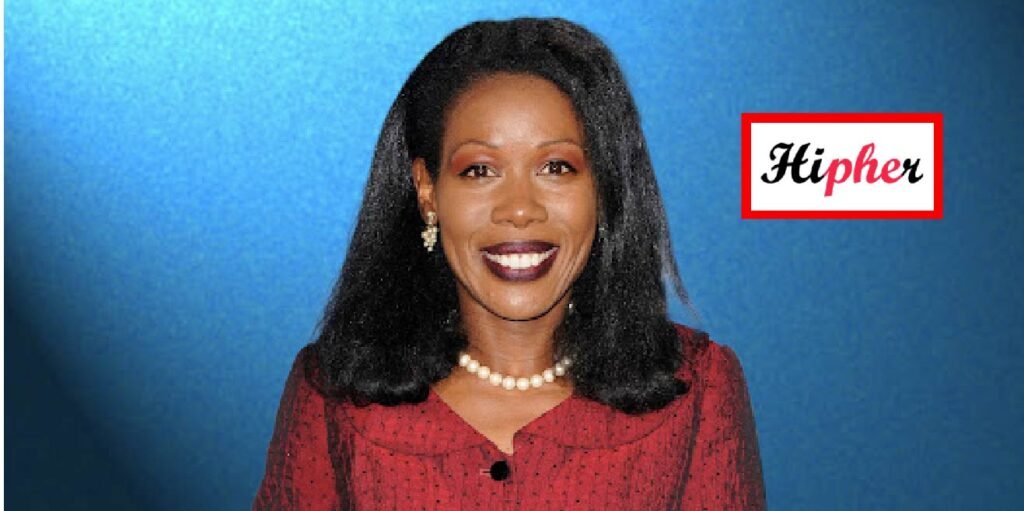
Roderick Watts shared his life with Isabel Wilkerson, one of the most respected writers and thinkers of our time. Their relationship was built on mutual respect, deep love, and a shared commitment to understanding the human condition. They complemented each other in remarkable ways—Isabel brought historical and literary insight, while Roderick contributed psychological understanding and social perspective. Together, they formed a partnership that blended empathy with intellect.
Their conversations often revolved around topics like race, identity, and human connection, and each inspired the other’s work. Those who knew them spoke of how grounded and supportive their relationship was, a true meeting of minds and hearts. While Wilkerson’s books reached millions of readers, Roderick’s quiet strength and wisdom stood behind much of the emotional depth and insight in her writing.
Personal Life and Character
Outside his academic and professional achievements, Roderick Jeffrey Watts was known as a gentle, thoughtful, and humble person. He valued honesty, kindness, and simplicity. He had a deep appreciation for music and literature, often spending his free time reading or listening to jazz. Friends and colleagues admired his ability to stay grounded despite his accomplishments.
He never sought fame or attention; instead, he focused on making a genuine difference in people’s lives. His compassion and curiosity guided his every action, and he approached others with patience and respect. He was known to be a good listener, always open to learning from others, no matter their background. This humility and openness made him not only a respected academic but also a beloved friend and mentor to many.
Passing and Impact
Roderick Jeffrey Watts passed away in 2015, leaving behind a legacy that continues to influence the fields of psychology, education, and social justice. His passing was deeply felt by those who knew him and by his wife, Isabel Wilkerson, who often reflected on how his presence shaped her understanding of empathy and humanity.
His ideas live on through the programs he developed, the students he mentored, and the communities he inspired. Many people who worked with him still refer to his teachings when developing new educational and empowerment models. His legacy is not only found in books or academic articles but also in the lives of the people he helped and the hope he gave to those who needed guidance.
Legacy and Influence
The legacy of Roderick Jeffrey Watts is one of intellect, kindness, and action. He showed that knowledge must always be used to serve people and that true education is about transformation. His ideas about empowerment and community psychology continue to guide educators, researchers, and activists around the world. Through his work, he taught that people have the power to change their circumstances when they understand the systems that shape their lives.
His influence also continues through Isabel Wilkerson’s writing, which carries forward many of the values they shared—empathy, truth, and justice. His life reminds us that behind every great thinker or writer, there are often unseen figures whose wisdom and support help shape their vision. Roderick Watts was one such figure, a quiet but powerful force for understanding and change.
Conclusion
Roderick Jeffrey Watts lived a life guided by compassion, purpose, and a deep belief in the power of knowledge. He dedicated his career to helping others see how psychology could be used to build stronger communities and more just societies. His teachings, research, and mentorship continue to influence new generations of thinkers and changemakers. He believed that understanding the human mind was not just an academic pursuit but a moral responsibility.
His story is a reminder that true impact does not always come from fame or recognition but from the steady work of teaching, guiding, and caring for others. Through his life, his marriage to Isabel Wilkerson, and his lifelong commitment to social justice, Roderick Jeffrey Watts left behind a legacy that continues to inspire empathy, learning, and change in the world today.
FAQs About Roderick Jeffrey Watts
1. Who was Roderick Jeffrey Watts?
Roderick Jeffrey Watts was an American psychologist, professor, and advocate for social justice. He dedicated his career to community empowerment and education, helping people understand how psychology can improve lives and society.
2. What was Roderick Jeffrey Watts known for?
He was best known for his work in empowerment psychology and for connecting mental health with social change. His teachings and research focused on equality, leadership, and community development.
3. Was Roderick Jeffrey Watts married?
Yes, Roderick Jeffrey Watts was married to Pulitzer Prize–winning author Isabel Wilkerson, best known for her books The Warmth of Other Suns and Caste: The Origins of Our Discontents.
4. Did Roderick Jeffrey Watts have children?
There is no public information available about Roderick Jeffrey Watts having children. He and Isabel Wilkerson kept their personal life private.
5. What did Roderick Jeffrey Watts teach?
He taught psychology at several universities, including the City University of New York Graduate Center, DePaul University, and Stellenbosch University. His classes focused on diversity, empowerment, and social identity.
6. When did Roderick Jeffrey Watts pass away?
Roderick Jeffrey Watts passed away in 2015, leaving behind a legacy of compassion, education, and community leadership.
7. What is Roderick Jeffrey Watts’s legacy?
His legacy lives on through his work in community psychology, his influence on students and educators, and his lasting impact on how people understand empowerment, equality, and social justice.
