


Introduction
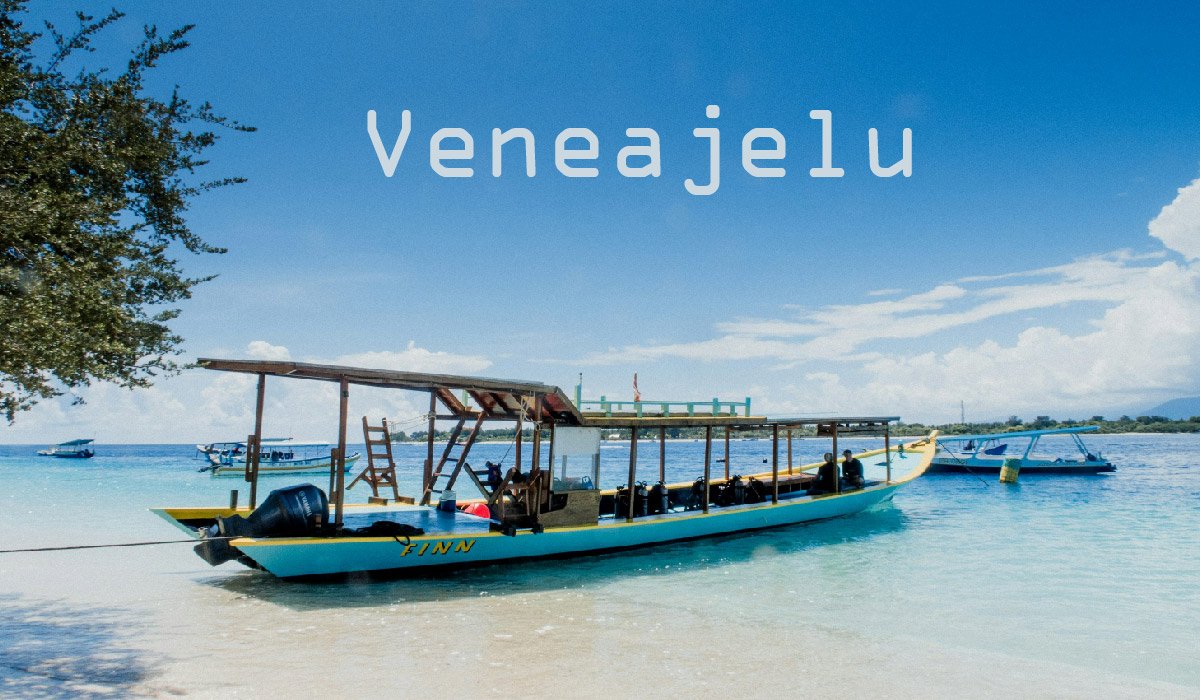
In Finland, boating isn’t just an activity — it’s a reflection of the soul. Known locally as veneajelu, this simple word carries profound meaning. Translating directly to “boat ride,” veneajelu goes far beyond its literal sense. It represents a way of life, a gentle rebellion against the fast-paced digital world, and a cherished Finnish tradition that celebrates calm, nature, and mindfulness. With over 188,000 lakes, countless rivers, and an expansive coastline, water is interwoven with Finnish identity. But a veneajelu is more than just movement across these waters. It’s about drifting slowly under the midnight sun, the quiet dip of oars, the shimmering reflection of clouds on still lakes, and the deep exhale of relaxation. This article explores everything about veneajelu — from its cultural roots and emotional depth to the best seasons, destinations, safety, and sustainable tourism tips — so that by the end, you’ll understand why it’s one of the most meaningful ways to experience Finland.
What Is Veneajelu?
Simple Definition
The term veneajelu comes from two Finnish words: “vene,” meaning boat, and “ajelu,” meaning ride. Together, they form a term that literally means “boat ride,” but to translate it that simply misses its cultural richness. In Finland, veneajelu is a serene experience, often spontaneous and always meaningful. It’s not a high-speed race or a mission-driven trip from point A to B — it’s a slow, relaxing outing, typically for pleasure, reflection, and connection with nature. Whether taken alone, with family, or as a romantic evening cruise, a veneajelu is less about transportation and more about presence, simplicity, and the emotional landscape it unlocks on Finland’s timeless waters.
Why It Matters in Finland
Veneajelu holds a special place in Finnish culture because water is inseparable from the Finnish landscape and way of life. The country boasts over 188,000 lakes, alongside rivers and one of the world’s longest coastlines. For centuries, water has been a source of livelihood, transport, and recreation. The act of boating evolved from practical necessity to heartfelt tradition. At the heart of the veneajelu experience is the Finnish philosophy of “luonnonrauha” — meaning “peace of nature.” This reverence for quiet natural environments is central to Finnish well-being, and veneajelu is one of the purest expressions of this value. Whether it’s an early morning paddle or a golden-hour drift, the experience always brings the same results: calmness, clarity, and a deepened connection to the land and oneself.
Cultural and Historical Roots of Veneajelu
From Necessity to Ritual
Historically, boats were a lifeline for Finns — used for fishing, transporting goods, and visiting neighbors before modern roads and cars existed. In earlier times, families would carve boats from logs or build wooden rowboats to traverse the waterways that linked communities. These boats weren’t luxuries; they were essential tools for survival. However, as infrastructure developed and technology advanced, the functional role of boats gave way to a more leisurely one. The emergence of mökki culture — the Finnish summer cottage tradition — played a key role in this transition. Finns retreat to their lakeside cottages each summer to unwind from urban life, and almost every mökki comes with a small boat. Here, veneajelu took on a new meaning: no longer just a method of transport, it became a ritual of relaxation and reconnection with nature.
Symbolism and Emotional Significance
In Finnish culture, veneajelu symbolizes much more than a ride across water. It represents a return to simplicity, a connection to heritage, and an invitation to be present in the moment. This is why veneajelu features frequently in Finnish art, literature, and music, often portrayed as a metaphor for inner peace or spiritual journey. The experience is emotionally significant: grandparents pass down rowing traditions to grandchildren, couples fall in love on quiet evening rides, and families build memories that last a lifetime. Like the sauna, veneajelu is a national ritual — sacred, comforting, and profoundly Finnish.
The Emotional Landscape of a Veneajelu
Silence and Stillness as Therapy
One of the most powerful aspects of veneajelu is the silence it cultivates. In Finnish culture, silence is not awkward — it’s healing. During a boat ride, words become unnecessary. The rhythmic sound of oars slicing water, the breeze rustling reeds, and the distant call of a bird become the soundtrack to a meditative experience. This stillness is therapeutic. It invites reflection, releases stress, and grounds you in the now. Many Finns describe their time on a boat as a form of nature therapy, where mental clutter dissolves, and clarity takes its place. It’s a practice of slowness in a world that values speed.
Presence Over Destination
In a veneajelu, there is often no destination. You ride just to ride. This stands in contrast to modern life’s obsession with productivity and outcomes. Here, the journey is the point. This kind of presence is rare and valuable. It forces you to look — really look — at the world around you: the patterns of ripples, the slow movement of clouds, the deep green of surrounding pines. It becomes a form of mindfulness, accessible to anyone who steps into a boat and lets go of urgency.
Types of Veneajelu Experiences
-
🛶 Family Boat Ride: Often taken at summer cottages, this type of veneajelu is full of laughter, snacks, and multi-generational bonding. Children learn to row, parents steer, and grandparents share stories — a complete family ritual that ends in swimming, fishing, or exploring a nearby island.
-
❤️ Romantic Sunset Ride: A slow boat ride under the golden sky, with water reflecting the warm light and the breeze carrying quiet conversation. Many couples remember their most intimate moments or even proposals during a veneajelu.
-
🧘 Solo Reflective Ride: For many Finns, going alone on the water is a form of self-care. Steering a small rowboat into the middle of a silent lake allows space for thoughts to settle and emotions to clear.
-
🗺️ Archipelago Adventure: With thousands of islands along the Finnish coastline, many choose veneajelu as a mode of exploration. These rides include navigating between islands, camping, and discovering untouched coves.
-
🌇 Urban Ride: In cities like Helsinki and Tampere, residents enjoy veneajelu along canals and coastlines. Renting a boat for a few hours offers a new way to see the city — from the water’s calm perspective.
Best Seasons for Veneajelu in Finland
Summer (Kesä)
Summer is the golden season of veneajelu. From June to August, the sun barely sets in parts of Finland, creating the famous midnight sun. The weather is mild, the lakes are warm, and nature is in full bloom. It’s the time when families flock to their summer cottages and take daily boat rides, making it the peak veneajelu season.
Autumn (Syksy)
Early autumn brings a different charm to veneajelu. The air becomes crisp, the crowds thin out, and the trees put on a fiery display of red, orange, and gold. Autumn rides are more introspective, quieter, and perfect for photography and peaceful reflection.
Spring (Kevät)
As the ice melts and lakes reawaken in spring, the first veneajelu of the season feels like a celebration. The days grow longer, and birds return to the shores. There’s a sense of renewal and anticipation in the air, making every boat ride feel like the beginning of something.
Winter (Talvi)
While boats can’t sail frozen lakes, the spirit of veneajelu lives on in winter through ice fishing, snowmobiling, and walking across frozen water. The same lakes used for summer boating transform into icy playgrounds that offer a different kind of magic and connection.
Must-Visit Veneajelu Destinations in Finland
Helsinki Archipelago
With over 330 islands, Helsinki offers a surprising amount of nature for a capital city. Canal cruises take you past landmarks like Suomenlinna Fortress, charming wooden villas, and even icebreaker ships — all while revealing the city’s quiet, watery heart.
Lake Saimaa
As Finland’s largest lake, Lake Saimaa is a serene paradise. Here, veneajelu means paddling through forested islands, spotting the endangered Saimaa ringed seal, and soaking in unspoiled natural beauty. Guided wildlife cruises and silent boat rides are popular here.
Kolovesi National Park
A truly special destination, Kolovesi is motor-free and designed for peace. Kayakers and rowboaters glide past ancient rock paintings, bird sanctuaries, and untouched shores. It’s veneajelu in its purest, most respectful form.
The Archipelago Sea & Åland Islands
This vast web of islands in southwest Finland is perfect for multi-day island-hopping trips. With sailing routes, guest harbors, and hidden cafés, it’s a dream for adventure seekers and culture lovers alike. The Åland Islands add a Swedish twist to the Finnish boating tradition.
Lapland Lakes (Inari, Päijänne, Oulujärvi)
Farther north, lakes like Inari offer stunning landscapes, often bathed in the glow of the midnight sun or northern lights. These remote destinations provide the most spiritual, untouched veneajelu experiences in the country.
Modern Veneajelu Experiences
Guided Sightseeing Cruises
Modern veneajelu experiences often include guided sightseeing cruises, especially in cities like Helsinki, Turku, and Tampere. These trips cater to visitors who want to explore Finland’s unique blend of urban life and natural beauty — from sleek marinas to quiet forested islets. Cruises are usually offered with multilingual narration, providing historical background, cultural stories, and ecological facts about the surroundings. On these rides, you might pass the grand Suomenlinna Fortress, hear stories about Finnish independence, or spot rare seabirds gliding beside the boat. These organized veneajelu options are ideal for tourists and families who want a comfortable, informative journey that requires no special boating skills. Some cruises even offer on-deck cafes or local snacks, turning a simple ride into a cozy Finnish memory.
Luxury Yachts and Electric Boats
As sustainable tourism grows, more operators now offer electric or hybrid boats for veneajelu. These sleek, whisper-quiet vessels glide over the water without emissions, protecting fragile marine environments while offering a luxurious and serene experience. Some chartered boats provide full-service experiences, including a private captain, gourmet meals, and access to hidden coves. These are popular with couples celebrating special occasions or small groups looking for a unique, eco-conscious outing. For travelers who seek privacy, comfort, and a deeper connection to Finland’s stunning scenery — without harming it — this modern take on veneajelu is the perfect option.
Fishing and Wildlife Tours
For those drawn to Finland’s wild side, fishing tours and wildlife safaris are a popular form of veneajelu. Skilled local guides lead you through pristine lakes and rivers, where you can catch native fish like pike, perch, or zander. These experiences are hands-on and suitable for both beginners and expert anglers. Wildlife tours, especially in regions like Lake Saimaa or Lapland, focus on spotting animals such as the Saimaa ringed seal, white-tailed eagles, or reindeer near the shores. The boat becomes both a vessel and a floating hideout, blending adventure with education, all while respecting nature.
Floating Saunas and Food Cruises
One of the most uniquely Finnish veneajelu experiences is combining it with other traditions, like sauna and cuisine. Floating saunas, often wood-fired, drift slowly across lakes while you sit inside, sweating gently before plunging into the cool waters. These sauna boats are often paired with snack cruises, where Finnish delicacies like karjalanpiirakka (Karelian pies), smoked salmon, and wild berry desserts are served onboard. Some themed cruises even include live music, storytelling, or midsummer festival traditions. This form of veneajelu blends relaxation, taste, and culture into one unforgettable journey.
Safety Essentials for Veneajelu
Legal Requirements
No matter how peaceful the water looks, safety is a non-negotiable part of any veneajelu. According to Finnish maritime law, every boat must have a lifejacket or flotation device for each passenger. On public cruises, this is the captain’s responsibility, but on personal or rental boats, the rider must ensure compliance. Children, non-swimmers, and elderly passengers are especially advised to wear lifejackets at all times. The person operating the boat — even a small rowboat — is considered the boatmaster and must act responsibly, checking the weather, preparing emergency gear, and staying alert.
Weather and Navigation
Finland’s weather, especially near coastal areas, can change rapidly. Clear skies may turn to fog or wind in minutes. Before any veneajelu, it’s essential to check the Finnish Meteorological Institute (FMI) forecast. Avoid boating during thunderstorms, high wind warnings, or foggy conditions. Navigation in unfamiliar lakes or archipelagos should be done using nautical maps or mobile navigation apps. Stick to marked routes, especially in protected areas, and follow all speed limits and no-wake zones.
Emergency Gear Checklist
A safe veneajelu requires a few basic tools:
-
Lifejackets (fitted for each passenger)
-
Oars or paddles (even on motorboats)
-
Bailer or hand pump
-
First aid kit
-
Mobile phone or VHF radio
-
Waterproof flashlight
-
Anchor and rope
Even for short trips, carrying these essentials ensures peace of mind — and full enjoyment of the journey.
Sustainability and Eco-Friendly Boating
Respect for Nature (Jokamiehenoikeudet)
In Finland, the law of “Jokamiehenoikeudet” or “Everyman’s Right” allows everyone to enjoy nature — including lakes, forests, and waterways — as long as they do so responsibly. This is the guiding principle of sustainable veneajelu. You’re free to explore, swim, or picnic on many public islands, but you must leave no trace, avoid damaging flora or fauna, and respect private property and protected zones.
Green Boating Practices
Eco-conscious veneajelu is becoming the norm. Many travelers now prefer electric boats, solar-powered motors, or low-emission options to reduce water and air pollution. Following no-wake zones protects sensitive shorelines from erosion. Using reusable containers and avoiding plastic bottles helps prevent littering. Carry all trash back to shore and use onshore toilets rather than polluting the water. These small actions ensure Finland’s lakes and archipelagos stay clean and beautiful for future generations.
Wildlife Etiquette
Veneajelu often brings you close to birds, fish, and mammals — sometimes even endangered ones. Always observe animals from a distance. Avoid nesting areas, especially during spring and early summer. Never feed wildlife or chase them with your boat. In protected areas like Kolovesi National Park or Saimaa seal habitats, there are special rules to follow. By boating respectfully, you become part of the ecosystem’s balance, not its disruption.
How to Plan Your Own Veneajelu
Rentals vs. Tours
You don’t need to own a boat to enjoy veneajelu. Most lake regions and cities offer easy boat rentals — from traditional rowboats and canoes to modern electric boats and guided tours. For first-time visitors or those unfamiliar with local waters, guided cruises are the easiest, safest choice. More adventurous travelers may rent boats by the hour or day, with or without a skipper. Just be sure to check local laws and equipment requirements.
Packing Checklist
Here’s what to bring for a perfect veneajelu:
-
Windproof jacket or layered clothing (weather can change)
-
Sunscreen, sunglasses, and a hat
-
Water and snacks (or Finnish pulla and coffee)
-
Dry bag or waterproof case for electronics
-
Camera or binoculars for wildlife
-
Towel and swimsuit (optional dips are common)
-
Navigation map or boating app
Always plan based on the length of your trip, weather forecast, and whether your boat has cover, food options, or bathroom facilities.
Booking Tips
If you’re planning a veneajelu in summer, book early. July is peak season for both locals and tourists. Many online platforms offer packages that include transportation, meals, and cultural extras. Look for eco-certified tour operators and check if multilingual narration is available. Avoid last-minute bookings if you want a private experience or popular routes.
Combining Veneajelu with Other Activities
Veneajelu is rarely just about the boat ride — it’s a full experience that can be enhanced with other relaxing or fun Finnish traditions.
-
🧖 Sauna Stops: Float to a lakeside sauna or enjoy a boat with one built-in — a uniquely Finnish treat.
-
🍓 Berry-Picking or Foraging: Many people combine their rides with shore visits to gather wild blueberries, lingonberries, or mushrooms.
-
🎣 Fishing: Combine leisure with local cuisine by catching and grilling fresh fish.
-
🏕️ Island Picnics or Camping: Some islands allow short-term camping or fires (check local rules).
-
🗺️ Cultural Visits: Row or cruise to historical harbors, old churches, or lighthouses, and dock for a short land tour or lunch.
The Digital Age of Veneajelu
While veneajelu is rooted in tradition, modern tools have made it easier than ever to enjoy it. Mobile apps like Navionics, Retkikartta, and FMI Weather help you plan routes, check forecasts, and find docking stations. Social media has also played a role in promoting #veneajelu, with Instagram and TikTok full of stunning slow-motion water shots, wildlife clips, and scenic drone footage. Tour companies now offer VR previews or virtual cruises, allowing visitors to experience Finland’s lakes before they even arrive. This digital layer has made veneajelu more accessible, shareable, and popular across generations.
Conclusion
Veneajelu may translate simply to “boat ride,” but for Finland, it’s something far deeper. It’s an emotional tradition, a cultural practice, and a peaceful escape wrapped into one. From grandparents teaching grandchildren to row, to couples sharing a sunset on the water, veneajelu touch all corners of Finnish life. It reflects key values like simplicity, presence, connection to nature, and inner calm. Whether you’re drifting across Lake Saimaa, exploring the Helsinki archipelago, or paddling through Lapland’s remote beauty, veneajelu is a way of slowing down and seeing the world from a gentler angle.
For visitors, it’s a beautiful introduction to Finnish culture. For locals, it’s a cherished habit. And for everyone who tries it, it becomes a moment to remember. So next time you hear the water calling, don’t rush. Step into the boat, feel the stillness, and let veneajelu carry you — not just across the lake, but deeper into the soul of Finland.
FAQs About Veneajelu
1. What does veneajelu mean in Finnish?
Veneajelu is a Finnish word that means “boat ride” in English. It combines the words “vene” (boat) and “ajelu” (ride). In Finland, it describes a peaceful trip on a lake, river, or sea, often done for relaxation and connection with nature.
2. Do I need a boating license for a veneajelu in Finland?
No, you don’t need a boating license for small rental boats or public cruises in Finland. If you want to drive a larger motorboat, you may need to follow specific safety rules and show basic boating skills.
3. When is the best time to go on a veneajelu?
The best time for a veneajelu is between May and September. Summer is the most popular season, with long sunny days and calm water. Spring and autumn also offer quiet, beautiful boat rides with fewer people.
4. Is a lifejacket required during a veneajelu?
Yes, lifejackets are required by Finnish law. Every person on the boat must have a lifejacket available. It is especially important for children, non-swimmers, and anyone boating in cold or deep waters.
5. Can tourists enjoy veneajelu in Finland?
Yes, tourists can easily enjoy veneajelu in Finland. Many cities and lake areas offer boat rentals, guided cruises, and sightseeing tours. No special skills are needed for public boat rides, making it a great way to explore Finnish nature.
Read Also: Veganovies com Explained: The Truth Behind This Powerful Trend
Visit For More Hiphermagazine
